From Dorm Rooms to Youth Spaces. Are Brands Ready for the Shift?

 Hommey
 As traditional milestones of independence are delayed or redefined, young consumers are investing in the spaces they have now.
Whether it’s a childhood bedroom or a college dorm, youth spaces are being curated and planned with real intent. What’s emerging isn’t a decorating trend, but a broader youth identity space.
The opportunity for brands is to think beyond dorm room aesthetics and start recognising youth spaces for what they’ve become: an evolving expression of identity, independence and belonging. And a category that young consumers are willing to spend real time and money investing in.
A space for identity: from trends to self-expression
Previous generations decorated their bedrooms and dorms with posters and keepsakes. Today’s youth spaces look different. They are carefully considered, function-led and often planned months in advance.
The shift we’re seeing is less about chasing a single dorm aesthetic and more about a broader change in consumer behaviour. Young people are using their environments to explore identity, communicate who they are and find the people they feel connected to.
Exposed to more visual references than any generation before them, young consumers aren’t picking one look and sticking to it. They’re mixing influences, references and personal experience into something that feels distinctly individual.
Thinking beyond aesthetics
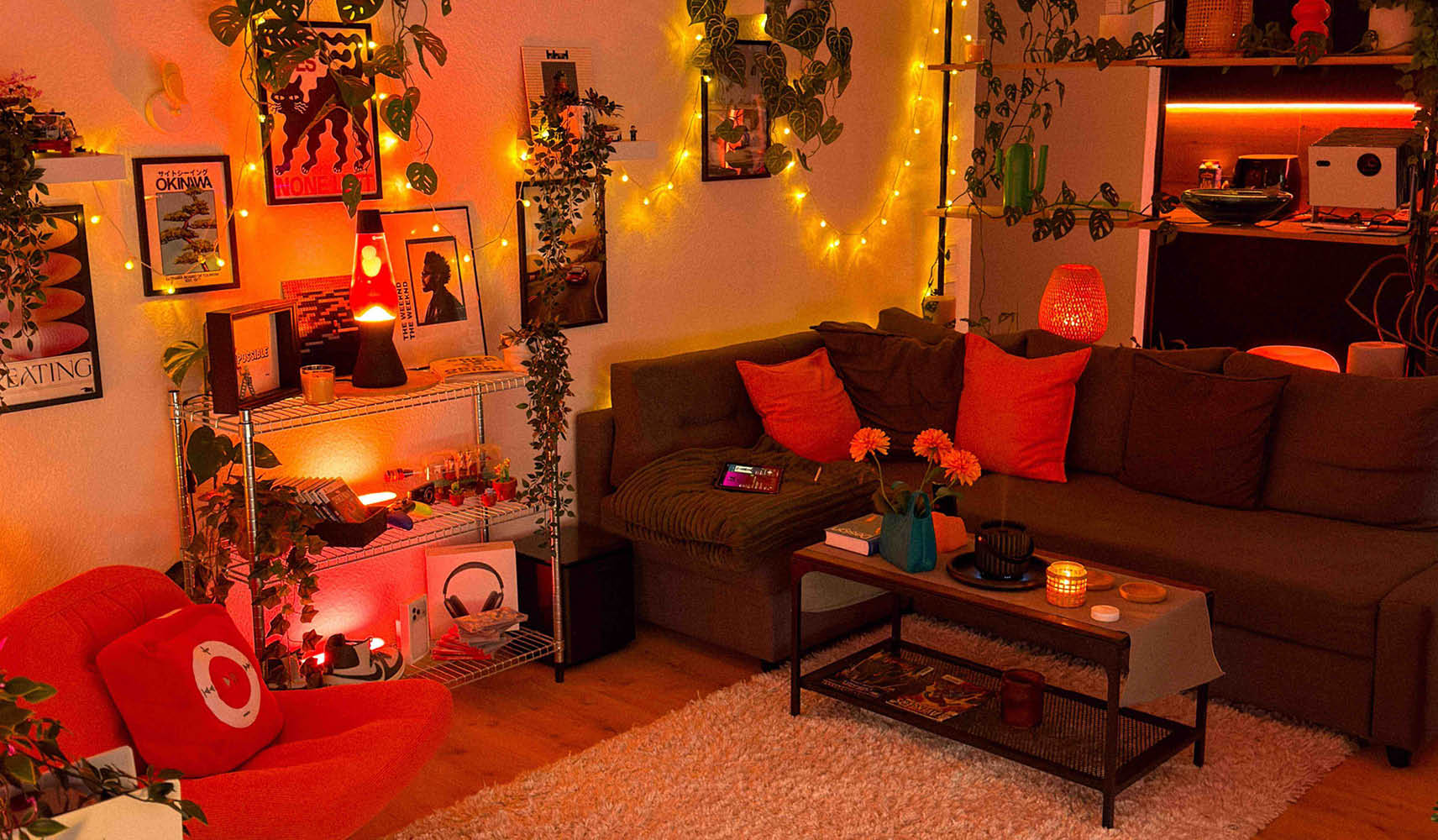
The result isn’t “this is my aesthetic.” It’s “this is what feels like me.” Digital creators like @henry.evr capture this shift perfectly, giving daily glimpses of apartment life and set-ups curated around a vibe rather than a template.
Once brands understand this shift, where spaces are being designed to support rest, focus, wellbeing and social connection in ways unique to the individual, the need for a genuine personal-style layering becomes obvious.
After all, for many young people, this is their first chance to make real decisions about their environment, on their own terms. That’s the moment brands are designing, selling and designing for.
Individuality vs. Conformity
Here’s the tension that brands need to navigate: the same platforms that make personalisation easier also make everything start to look the same. Once an aesthetic goes viral, it gets replicated, shared and commercialised within weeks.
So the real questions for brands isn’t “what’s the next aesthetic?” It’s how do you help young people express their individuality without just handing them another look to copy?
The answer isn’t prescribing a finished look, but helping consumers to understand their preferences.
Choice and customisation matter more in this category than almost anywhere else in the market. It’s worth asking honestly whether your brand gives people the tools to create, or just another aesthetic to conform to?
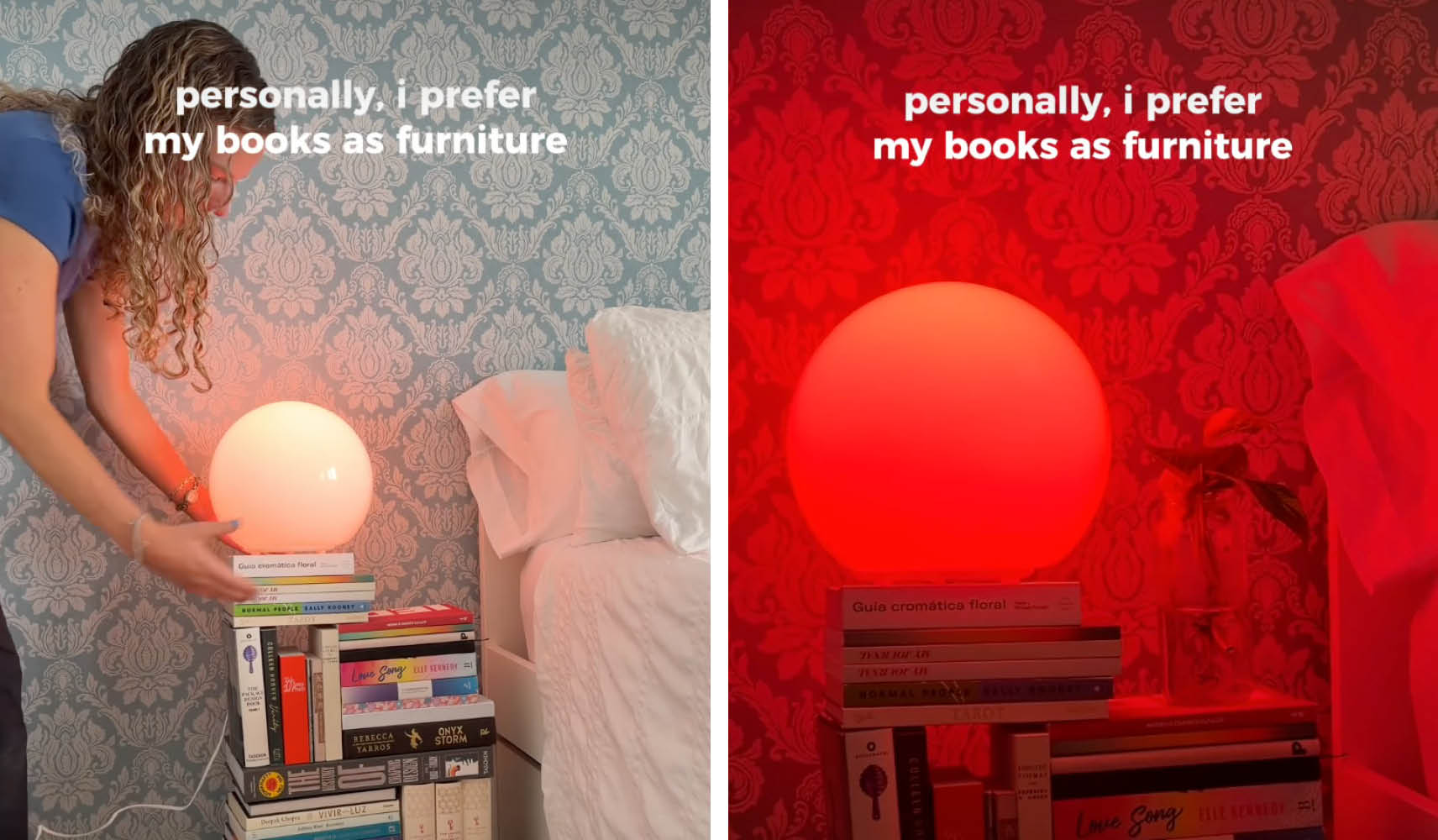
Brands like Hommey are leading the way here. They offer choice so people can find their own personal style and customise it their way, rather than buying into someone else’s.
What this means for brands
The opportunity is clear, even if acting on it takes more work. It means moving from selling product aesthetics to enabling self-expression and connection. Relevance is what makes choice useful.
Brands that think beyond traditional dorm aesthetics have a chance to become than product providers. They can become guides, helping young audiences to understand their own preferences, make decisions with confidence and find products that genuinely feel like them.
We’re talking to a generation that doesn’t want to be told what good taste looks like. They want to curate something that feels authentic to who they are and who they’re becoming.
The brands that help them do that, through flexible product design, tools for self-expression and understand that their space is an identity project, not a shopping list, are the ones that will gain long term brand loyalty.