Future in Focus: The New Era of Children’s Collectibles

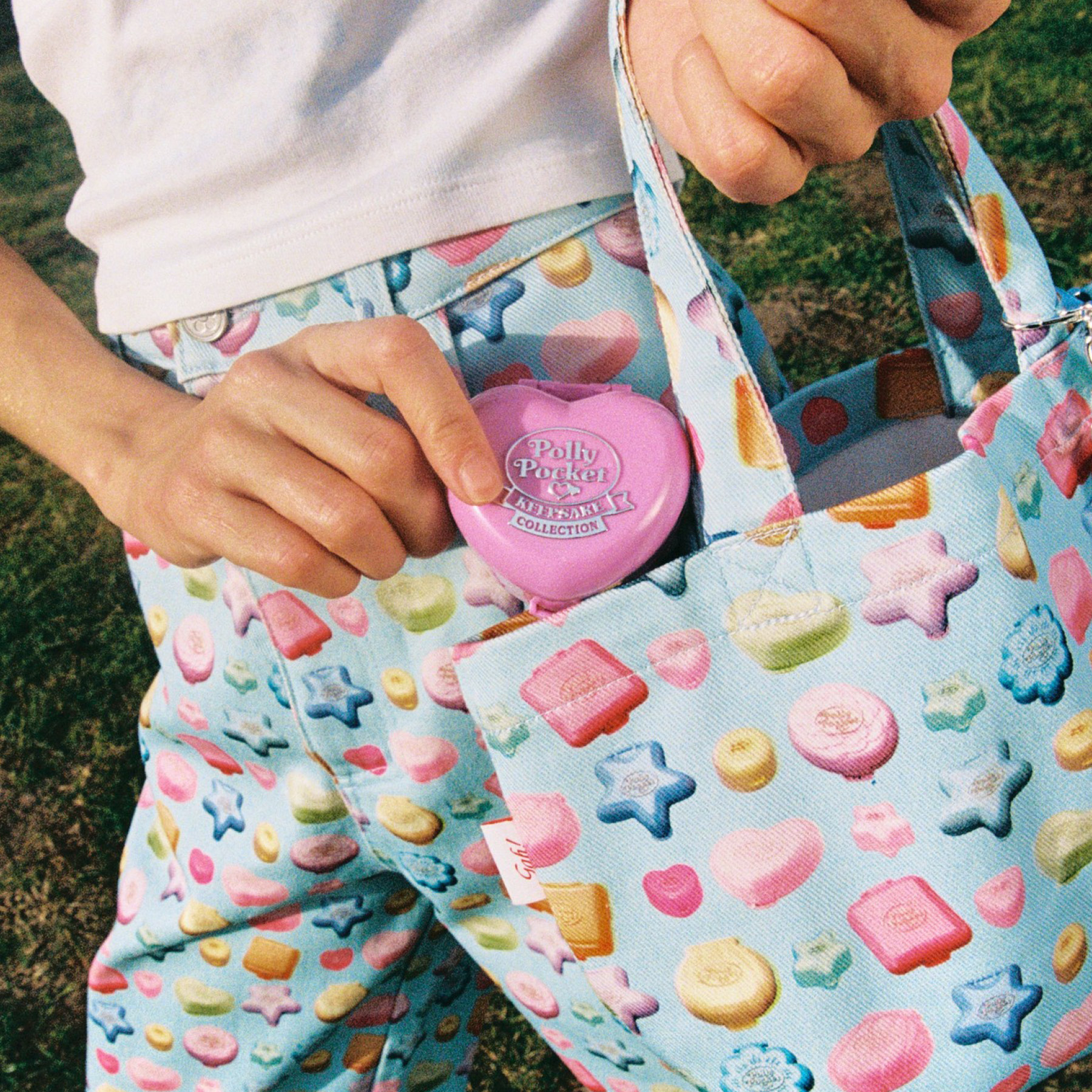 Polly Pocket x Lisa Says Gah
 From Furbies to Labubus, childhood collectibles have always played a pivotal role in the global kids and tween market. However, the nature of collecting is undergoing a quiet revolution.
Collecting continues to grow as a shared, global, and cross-generational experience, uniting children and families through objects, stories, and memories. In this way, collections can do more than entertain: they create a bridge between childhood discovery and parental nostalgia, giving products a deeper emotional life and greater longevity.
As Generation Alpha engage with toys and objects through the lens of curation, micro-fandom and self-expression, how can brands capture their loyalty through collectibles?
Why do kids collect?
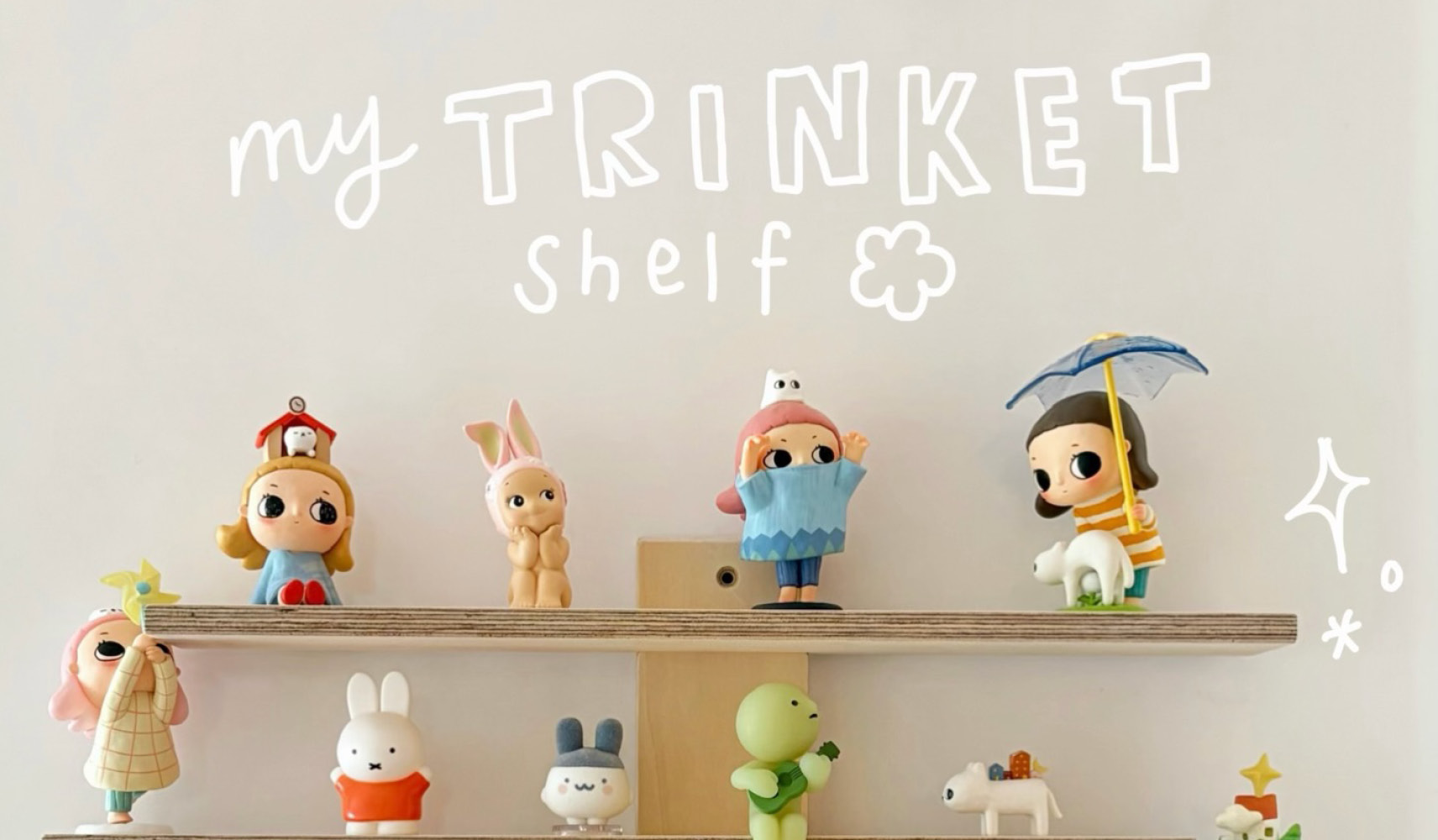
Ever wondered why kids suddenly become obsessed with amassing everything from rocks to trading cards around ages 6 to 8? According to Jean Piaget’s theory of child development, collecting is how children explore their interests, express their identity, and make sense of their world.
This pivotal period marks their entry into a stage where the brain unlocks a new capacity for logical thought. Far from just creating clutter, collecting serves as a key cognitive developmental anchor.
By designing products and ranges that actively encourage vital skill-building such as categorising, comparing, and organising, brands can play an important role in this vital stage of development. In doing so, their products and ranges become symbols of pride, belonging and achievement.
From the 90s to now: What are the shifts in children’s collectibles?
Historically, children’s collections, whether it be Pokémon, Beanie Babies or even McDonald’s Happy Meal Toys, were driven by completionism. Collecting everything was the goal. Today, the motivation has shifted towards creating identity and a sense of belonging.
Driven by digital discovery and niche online subcultures, children are acting as young curators. They are seeking out objects that tell a story about them, represent a specific fandom, or simply offer tactile comfort.
As a result, a new era of collectibles is emerging for children, teens and tweens. And we’re already seeing brands jumping at the opportunity:
- Physical versus hybrid collecting – In the 1990s, kids mostly collected physical objects. Today, collecting mixes physical items with digital goods, badges, and in-game rewards.
- Playground status versus identity signalling – In the 1990s, collecting was about fitting in, completing sets, and playground bragging rights. Now, it also signals identity, taste, and online social proof.
- Pocket-money friendly versus stratified spending – Earlier collecting was usually low-cost and accessible. Now, it spans cheap entry items to premium chase products, with drops, subscriptions, and resale markets shaping access.
Creating Meaningful Impact Today
To capture the loyalty of the next generation of caregivers and children, brands and retailers will need to connect with young consumers by designing with the child-as-curator in mind.
Moving away from the race for disposable novelty requires a shift toward building long-term product ecosystems that celebrate learning, belonging, and joy through the art of collecting in both the physical and digital landscape.
What are the opportunities for brands?
For brands operating in the kids and tween space, this new era offers a rich landscape for product innovation and engagement. The opportunity lies in moving from selling products to creating ecosystems for curation.
- Consider creative modular shelving, storage, and display systems that can be integrated into bedrooms, play spaces and shared family fandom areas.
- Products that allow children to safely display, categorise, and showcase their collections foster a sense of pride and ownership.
- Collaborate with relevant creatives, influencers, and brands to build meaningful connections within the collecting community. Look for impactful cross-fandom and licensing opportunities.
- Explore collectable ranges that feature scannable, low-tech smart chips that unlock deeper lore, audio stories, or collaborative world-building games. This satisfies the desire for deep-dive fandom knowledge while keeping the core experience rooted in the physical object.