What can Brands Learn from the Fall of Claire’s Accessories?

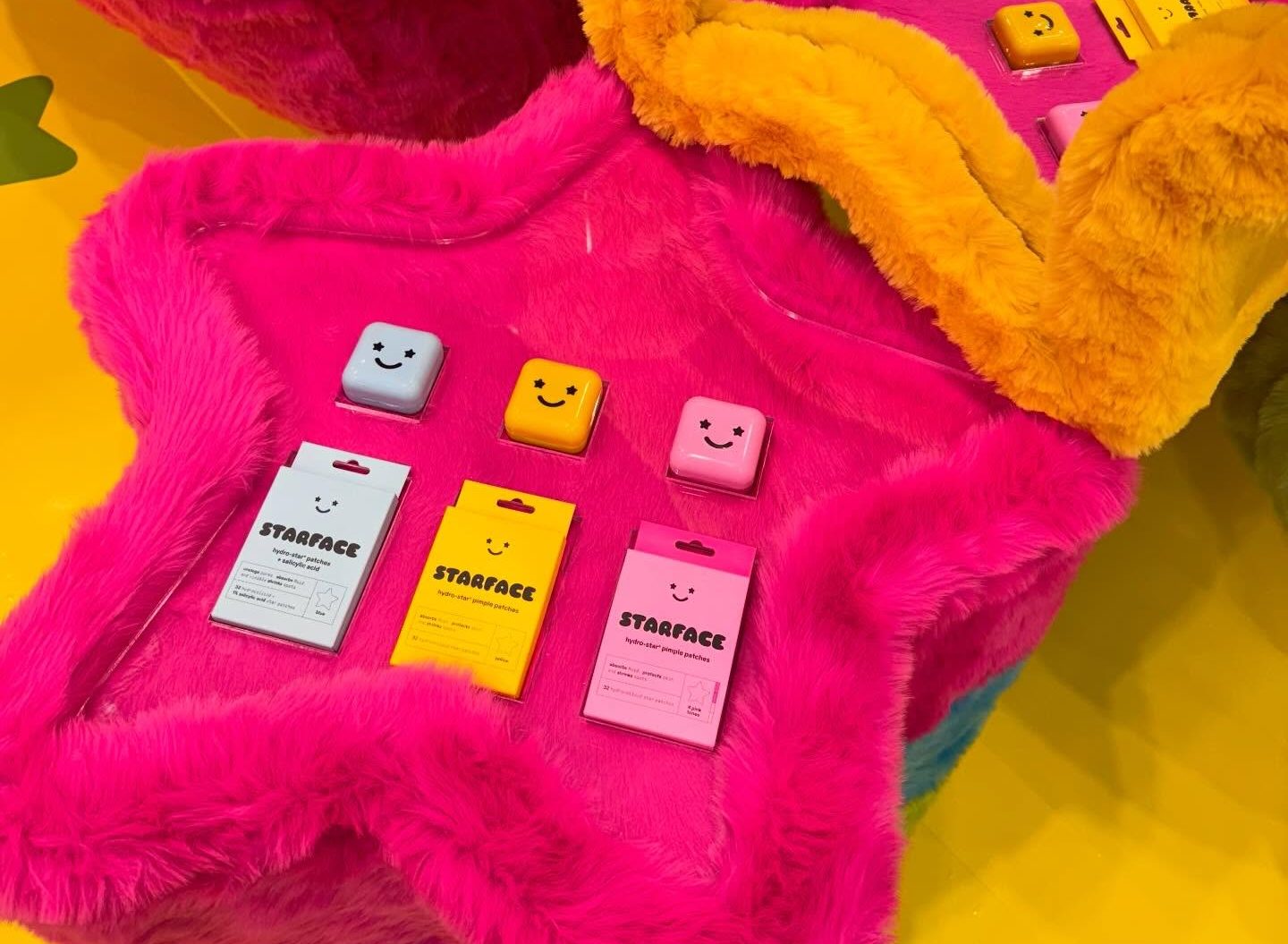 Starface
 Last month we saw Claire’s Accessories close their remaining UK stores, marking the end of an era for a retailer that once defined teen and tween self-expression.
For years, Claire’s was the go-to store for British teens and tweens. Ear piercings, glittery accessories, mood rings and friendship bracelets made it a destination for pocket money purchases and young shoppers who were experimenting with their identity for the first time.
But while the tween market evolved rapidly, Claire’s stood still.
The demise of Claire’s tells us something much bigger about how beauty, identity and self-expression have changed for today’s teens and tweens. And how overlooking their wants, needs and buying power can have fast consequences.
Beauty and Self-Expression Amongst Tweens has Evolved
Today’s tweens approach beauty and accessories in a very different manner to previous generations. Skincare, makeup and fashion are no longer separate interests. They all form part of a carefully curated identity ecosystem, which has been shaped by social media, peer culture and online aesthetics.
The teen and tween audience is highly trend-aware and the market moves fast. Brands that resonate with them understand the importance of cultural relevance, visual identity and constant evolution. This is one of the areas where Claire’s has struggled most. They couldn’t keep pace across product, pricing, branding and in-store experience.
An Early 2000s In-Store Experience
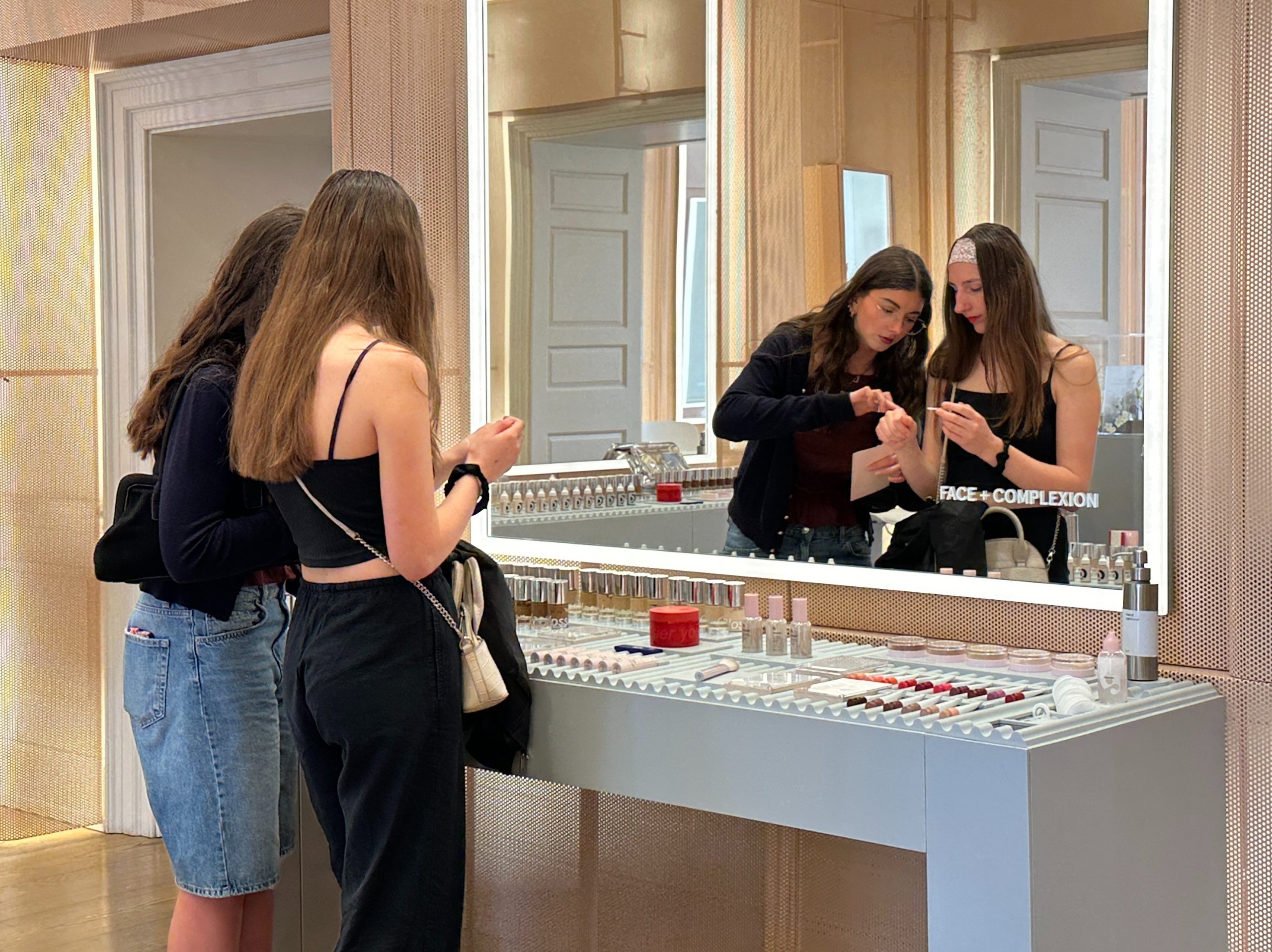
For Gen Alpha and younger teens, retail isn’t just transactional, it’s experiential, which Claire’s failed to tap into. The stores symbolised the disconnect between the brand and their target market.
Many stores still felt light cluttered, brightly coloured shops which felt more 2000, than 2026. Today’s teens and tweens are drawn towards the polished minimalism and quiet luxury which has been popularised by retailers like Sephora.
Retail is About Community
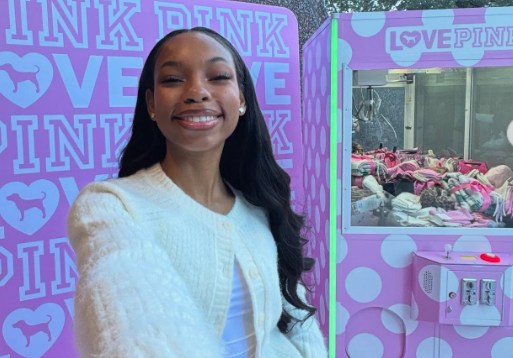
Retail has become about immersive experiences and community building. Today’s young consumers don’t just want products; they want spaces that allow them to socialise, share their purchases and create fandom communities based on self-expression.
Yes, Claire’s had plenty of product in store, but without the additional layers of creating a space to share, capture and connect with others, the brand didn’t hold – there’s no fandom element.
The identity construction that tweens so carefully create runs across skincare, beauty, accessories, and they are looking for the brands and retailers they buy from to create an in-store experience that reflects a much more polished aesthetic and that references very specific social cues.
The Competition has Completely Changed
Brands that use trends well to position themselves understand that it’s all about maintaining relevance with your audience. The Gen Alpha audience responds really rapidly to trends, and to operate well in this market you need to reflect their tastes and beliefs at pace.
Brands shouldn’t underestimate that Gen Alpha are incredibly savvy shoppers. They are experts in tracking down rare finds and dupes across fashion, beauty and fragrance, finding more affordable alternatives to their favourite brands. For these shoppers, status becomes less from brand loyalty and more from being culturally ‘in the know’.
So, where are Teens and Tweens spending their money?
Increasingly teen and tweens are ageing upwards in their spending habits. Beauty and self-care have become major categories, reflected in the huge success of Sephora’s expansion into the UK market. Younger consumers are experimenting with skincare routines, fragrance layering and beauty products as tools for identity exploration and self-expression.
At the same time, collectibles and fandom culture are booming. Products like Labubus, miniatures and sensory collectibles have become social currency. They signal belonging, taste and participation in online communities.
For this generation, buying something is often about buying a feeling, fandom or shared identity.
What’s next for Teens and Tweens?
Several shifts are already beginning to emerge and shaping the next phase of youth retail and culture, which present really exciting opportunities for brands.
1. The Rise of Third Spaces
We are having a lot of conversations with brands and media moderators about the forthcoming smartphone ban in school and what the consequences will be.
If phones become less of a focus for teens and tweens, will third spaces take on a new role? Retailer spaces could function more like social hubs than stores and brands have the opportunity to create spaces where teens can gather, share experiences and build identity offline.
2. Sensory Experiences Will Grow
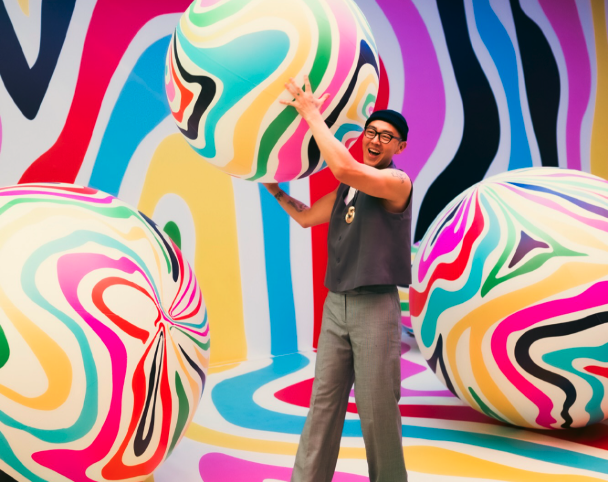
We’re also seeing rising demand for sensory-lead products and experiences. From textured beauty products and personalised sensory play to immersive physical environments.
This trend reflects younger people’s greater understanding of neurodiversity and emotional wellbeing. Sensorial exploration is the one area we can’t satisfy online. We’re seeing this in play – more experience-based retail such as escape rooms, rage rooms, sensory experiences like The Balloon Museum.
3. Retailers Must Offer Connection, Not Just Products
The future of retail for younger audiences lies in creating community spaces where they can spend time and be seen.
Stores can’t rely on transactional shopping alone. They need to offer connection and engagement It’s an opportunity to build a real world that goes alongside the virtual one.