Why the Future of Home Starts with People, not Products
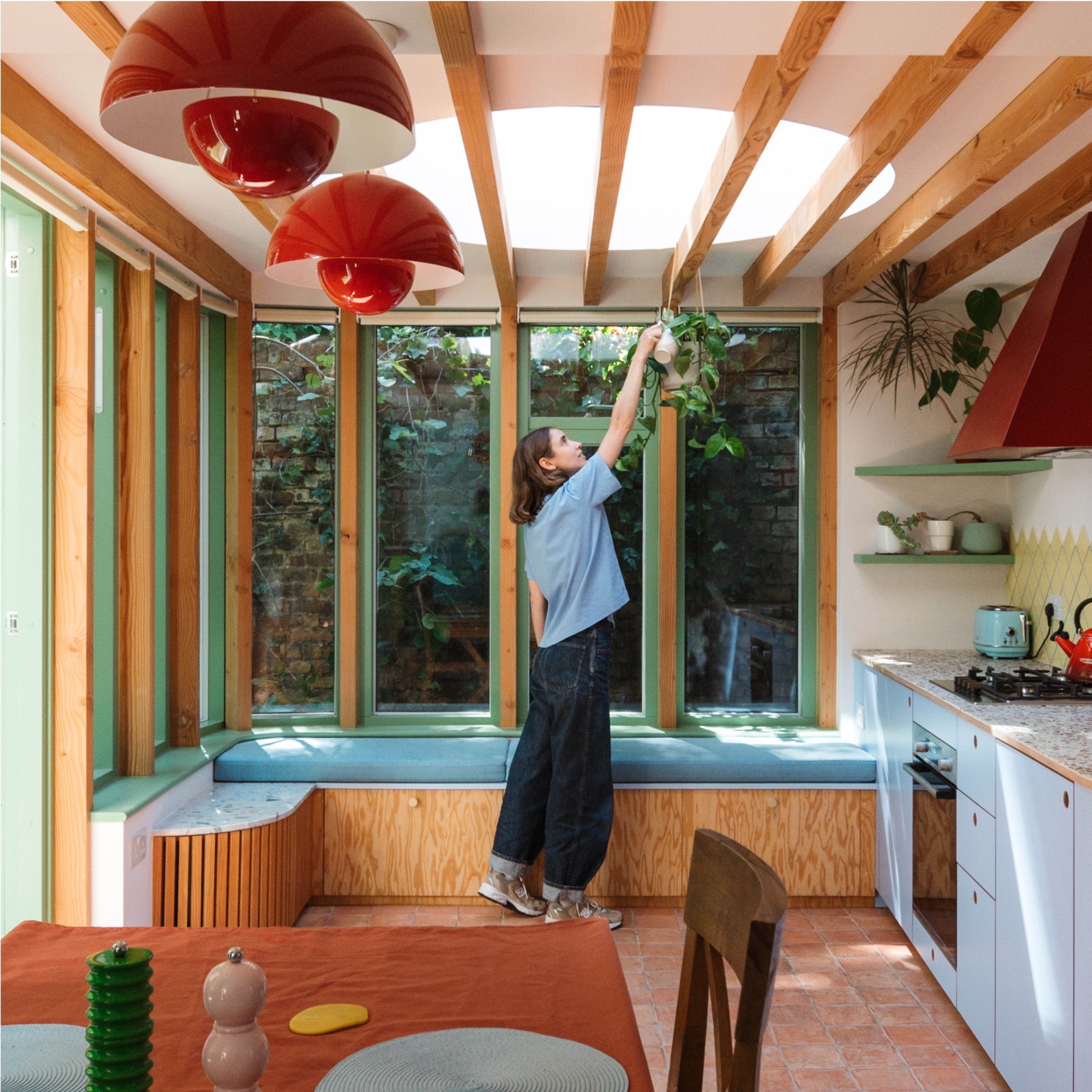 Office S&M Architects x Ellen Christina Hancock
 Home is where the heart is. It’s also at the very core of TrendBible too. You’ll often see and hear us use the term ‘future of life at home’.
But what do we actually mean by home?
For us, it goes way beyond décor and colours. Home is where we connect, work, relax, grow, celebrate and everything in between. It’s where emerging shifts in lifestyle, identities and relationships quietly show up first.
That’s why when we look at the future of life at home, we always start with people, not products. The trends we forecast – whether it’s for home, family life or celebrations – are always the final expression of something deeper which is happening in people’s lives.
What makes a home?
The concept of ‘home’ is made up of everything from how householders are cooking, cleaning, working, resting, playing, celebrating and caring.
We’re interested in how those routines are being reshaped by different forces. Whether it’s economic pressure, climate anxiety, political instability, or even digital overload.
We watch from small behavioural shifts: the way someone repurposes a room, rising divorce rates of the over-60s, or how new parents express their personal values that go on to shape how their family is raised.
Together, these details tell us about how future consumers will live at home.
Focus on the mindsets of the people at home
Rather than relying solely on demographic-based segments, such as ‘young families’, ‘millennials’ or ‘retirees’, we always think in terms of their mindsets. This could be transient homemakers, digital minimalists or multi-generational households.
A transient homemaker might be renting, house sharing or moving frequently. This changes everything from the types of storage they need, to their emotional attachment to the home. Whereas a digital minimalist might be desperate to carve out sacred, screen free spaces. This has implications on lighting, layouts and products that support rest and reflection.
By focusing in on what’s driving attitudes, thought patterns and influences, rather than age groups and socio-economic descriptions, brands can step closer to their future consumers. This empowers them to create more meaningful products and services.
How do we know where the home is heading?
To understand where home is heading, we connect these lived realities into bigger contextual forces. We look at how external forces will influence the future householder and what it will mean for life at home.
Rising living costs show up as new rituals of repair and second-hand shopping. Social polarisation might increase the desire for home to be a sanctuary of stability, calm and control. Only once we understand the “why” behind these shifts do we start to shape the “what” – the strategy, ideas, narratives and aesthetics that brands can use.
Meaningful trend forecasts don’t start with colour or material. They’re based on a thorough understanding of the world which your customer will be living in; who they’ll be living with, what rituals they’ll be adopting at home, and what leisure-time will look like to them.
A future at home that we’re preparing for…
Ultimately, our role is to reveal the future needs, emotions and constraints of householders. Whether it’s focused on the way consumers will design their homes, how they will raise their families, or how they mark all of life’s moments. In doing so, we help brands to evolve in line with their future consumers.
When we widen the lens beyond décor and colour, we see home as an evolving ecosystem – one that reflects the world outside but also offers a place to experiment with better ways of living.
That’s the future we’re preparing for.