How Trend Leaders Turn Foresight into Profit


In a volatile retail landscape, the brands that thrive are not the ones with the loudest campaigns or the deepest discounts. They are the ones who can see change coming early enough to do something profitable with it.
Treating trends as a “nice to have” is a luxury most brands can no longer afford. Trends must be wired directly into how you grow revenue, protect margin and stay relevant.
This is by no means easy, or a quick fix. It can feel overwhelming trying to keep up with the pace of change and can be daunting to know which early signals will be commercially viable.
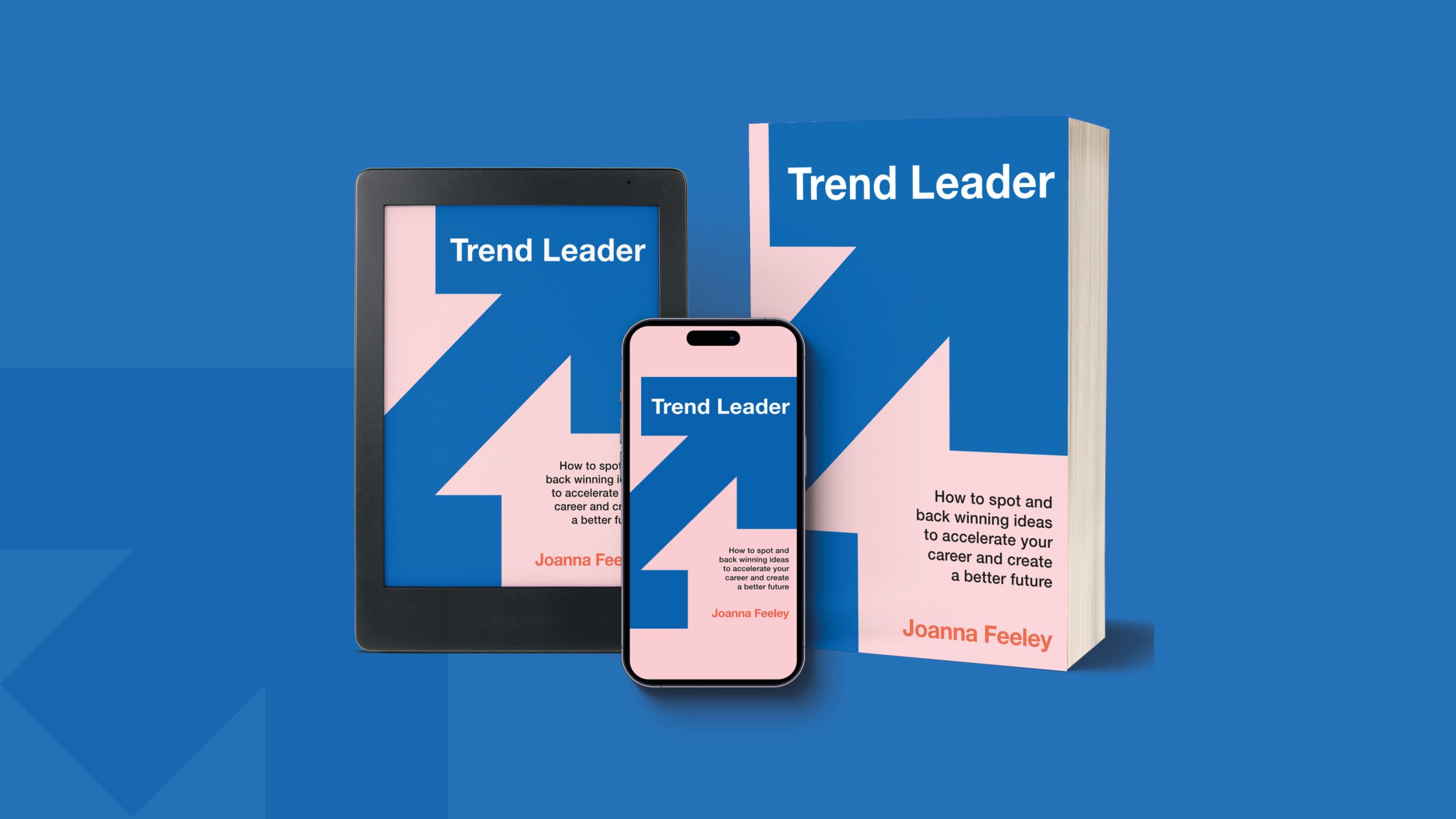
That’s why I wrote Trend Leader. To help people working in trends to cut through the noise and provide a clear and comprehensive guide, which will help them to turn trends into profit.
So how do the world’s leading brands do it? Below I compiled some of the key takeaways from Trend Leader, to help you turn future foresight into tangible results.
1. Future Preparedness as a Profit Strategy
Progressive companies don’t see future thinking as a distraction from “the real business.” They make future preparedness a strategic objective.
Within these companies, mapping the future is treated as an industry‑leading activity, running from the executive team—who are responsible for future proofing the business—right through to product, design and marketing.
Crucially, trend work is linked to core business goals: entering new markets, diversifying the offer, reaching carbon targets or attracting new audiences. If those ambitions are not aligned with what is happening in the world, they will lack relevance—and relevance is where the money is.
Is it time to evaluate what your brand’s approach is towards future thinking?
2. The Ripple Effect of Relevance
Trends are simply an expression of change. The job of a trend leader is to understand how this change will reshape the beliefs, values and behaviours of the future customer, and act before the customer can articulate it.
When brands use trend forecasting to stay culturally and ethically in tune with their audience, they unlock more than short‑term sales.
A resonant, trend‑driven product or service has a ripple effect: it strengthens reputation, deepens emotional connection and ultimately grows market share. In an era where shopping is increasingly politicised and value‑laden, this alignment is a direct commercial advantage.
3. Using Trends to Reduce Risk and Waste
Most organisations still see risk through the lens of “what if this innovation doesn’t work?”, but brands should be focusing on the cost of not changing.
Think of Toys “R” Us as an example. They had access to trend intelligence, but failed to act on changing consumer behaviour, with catastrophic results.
Good trend practice mitigates several expensive risks at once, including:
- Over‑investing in products that don’t fit emerging lifestyles;
- Carrying excess stock that ends up discounted, destroyed or in landfill;
- Launching campaigns that are tone‑deaf to social mood and damage trust
In a Volatile, uncertain, complex, ambiguous (VUCA) environment, foresight is framed as a way to make “quicker, better, safer” decisions, not a creative extra.
4. Build a Trend Framework
One of the most practical profitability levers for trends and foresight comes down to your processes. The most successful brands don’t treat trends as sporadic sparks of inspiration; they install a repeatable framework.
That framework starts with two audits:
- A trend resource audit to discover which teams inside your business are already using and buying insight, if there’s any duplication, and where critical gaps exist. This sometimes reveals overlaps and disconnected futures work which can be consolidated, saving cost and improving quality.
- A trend performance audit to examine where the business has been late to trends, or misjudged timing and what that meant in lost opportunity versus competitors. This creates a powerful evidence base for investing properly in foresight.
From there, a trend roadmap structures the cycle from research and ideation through to sign‑off, design, sampling and market performance tracking. That structure keeps trend decisions visible, accountable and measurable over time. This is exactly what commercial leaders need.
5. Balancing Timeless and Timely make for a Better Range
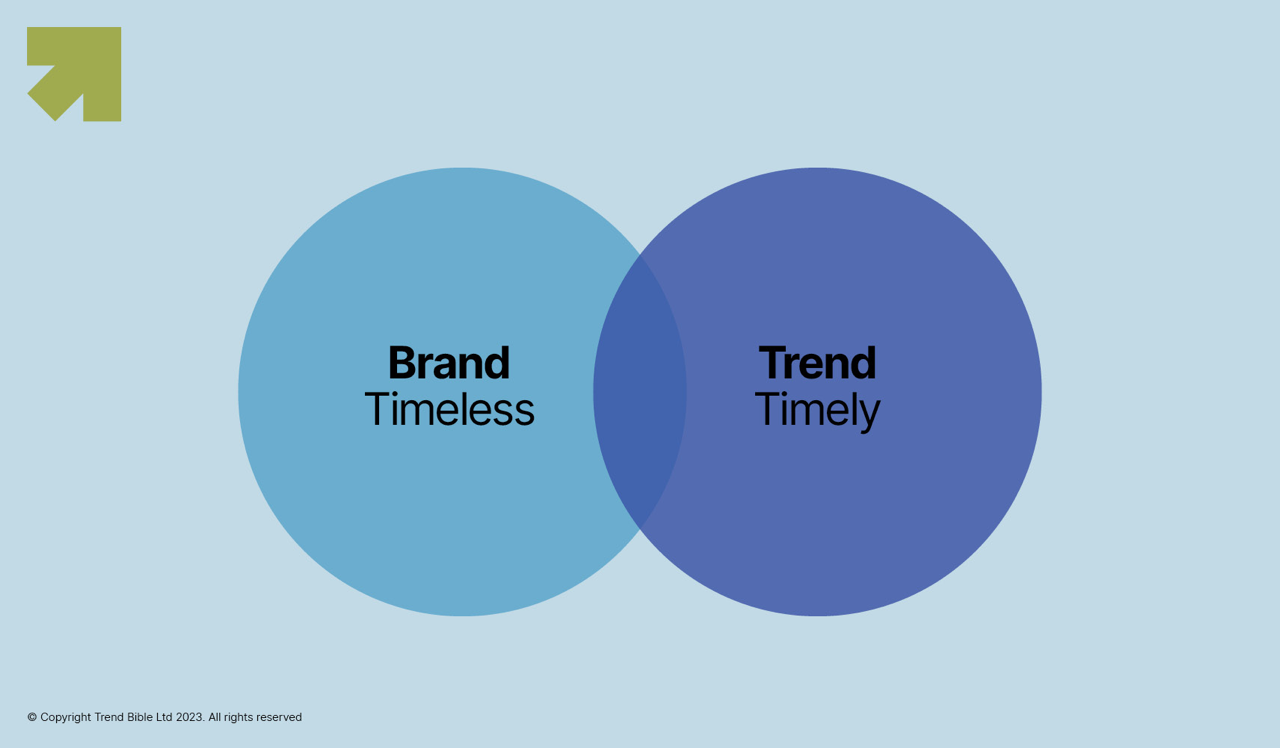
Another profitability strategy is deliberately balancing “timeless” and “timely” within your ranges.
Using the Timeless–Timely Index, brands decide where they need stable, core products with a longer shelf-life products and where they need higher levels of trend‑driven newness.
Done well, this helps to keep assortments fresh enough to attract and excite consumers, whilst avoiding over-exposure to short lived fads that can erode profit.
It’s crucial to remember that trends are not about chasing novelty; they are about calibrating the right level of newness in the right parts of the business.
6. Measure Trend Decisions Like Investments
“Gut feel” is not enough. You need to define meaningful metrics for each trend you back. Whether it’s sales uplift, press coverage, social traction, market share moves or even shifts in brand perception.
By tracking how specific trends perform, you can build a track record to prove the commercial value of trends; learn which trends work best for your audience and category, and prioritise future trends with confidence.
7. Monetising Blind Spots and New Spaces
One of the most powerful uses of trends is to surface hidden commercial opportunities. By this I mean places where brands make little or no money today because they haven’t noticed how people’s lives are changing.
By mapping lifestyle shifts, like the resurgence of crafting as a hobby, brands can open up new revenue streams across categories.
Foresight is a way to re‑segment opportunity, not just fine‑tune existing lines.
How is your brand turning insight into impact?
Trends aren’t just signals to observe, they are opportunities for brands to act upon, strategically and profitably.
If you want to move beyond intuition and start turning change into measurable growth, it’s time to build a more structured, commercially driven approach to trends. Trend Leader was written to help you do exactly that—providing the tools, frameworks and real-world thinking needed to embed foresight into decision-making at every level.
If you’re ready to take that next step, you can dive deeper into the book—or get in touch to explore how your organisation can turn trends into a true competitive advantage.