On the Horizon 2026: Tracking Consumer Behaviours

 Brooklyn Stroll Club
 To kick off 2026, we published a blog predicting consumer trends set to unfold throughout this year.
Our trend experts explored the idea that “home” is expanding, from a physical space to an emotional ecosystem. Families are blending technology, wellness, and spirituality in new ways, while the next generation of parents is exploring past rulebooks.
Now, seven months into the year, we asked our team to share how brands and consumers have been adopting these trends throughout the course of 2026.
Read on to discover the most exciting activations of 2026 so far.
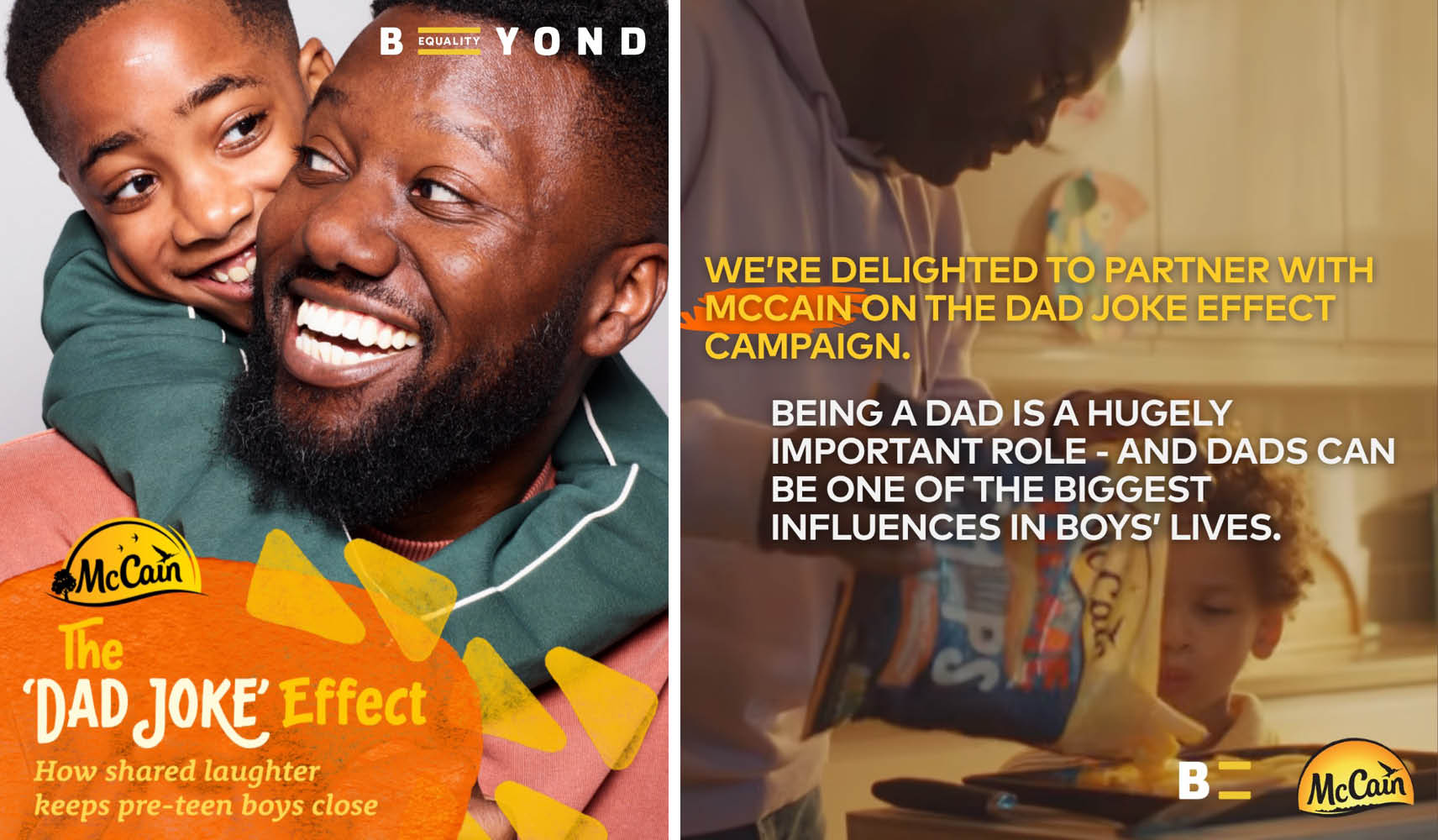
1. Celebrating Positive Masculinity: McCain Chips x Beyond Equality
What we said:
In 2026, expect the conversation around masculinity to shift from fear to possibility. With organisations such as Beyond Equality and Male Allies leading the way, the narrative is set to evolve, centring boys’ lived experiences and amplifying positive role models.
What we’re seeing so far:
In 2026, household brand McCain partnered with Beyond Equality on its ‘The Dad Joke Effect’, a campaign which champions playfulness and emotional expression among teenage boys, to challenge harmful stereotypes around masculinity. The campaign’s TV advert highlights how humour can strengthen the bond between fathers and sons, encouraging connection through everyday moments of laughter.
There’s still a long road ahead when it comes to shifting the narrative around masculinity. Whilst ‘The Dad Joke Effect’ shows positive steps in the right direction, 1:1 ‘face-rating’ sites, such as Omoggle, have also gone viral this year – encouraging young men to compete on physical appearance otherwise known as ‘mogging’ (a term derived from AMOG – alpha male of the group).*
It’s increasingly important for mainstream brands to take a step back and evaluate what kind of role they play in shaping this movement towards positive narrative around masculinity.
*Access to the site has been banned by the UK and Australia.
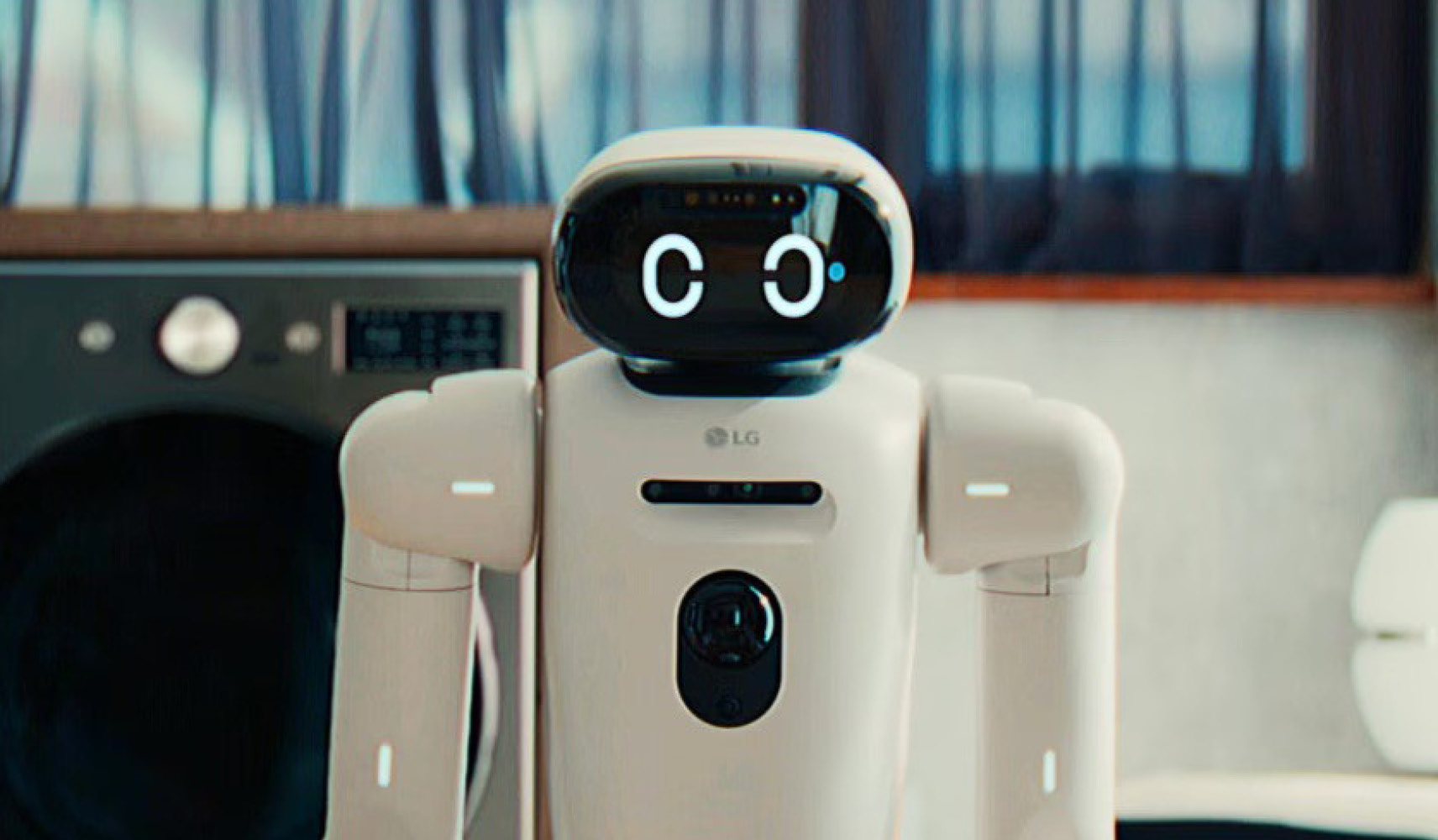
2. New Age Home Help
What we said:
In 2026, expect to see greater smart tech innovation around chore management in the home. Expect brands to package up these AI home solutions with a human-centric focus as we look to invite AI into our most private of spaces and give us the luxury of more time.
What we’re seeing so far:
LG presented CLOiD, the household robot during this years CES show. This innovation is designed to manage the time-consuming tasks of daily housework. The cutting-edge technology embraces a human-centric and familiar ‘robot’ aesthetic designed for interaction through spoken language and facial expressions.
Whilst CLOiD won’t be ready for mainstream until 2028-2030, we are tracking the increased focus on smart home support. In 2026, smart home assistants are automating every aspect of the home environment, from security, lighting and temperature control to building lifestyle routine support. The smart vacuum has firmly moved into the mainstream market with brands like Eufy offering a pay monthly subscription service, making robotic hoovers a more affordable choice.
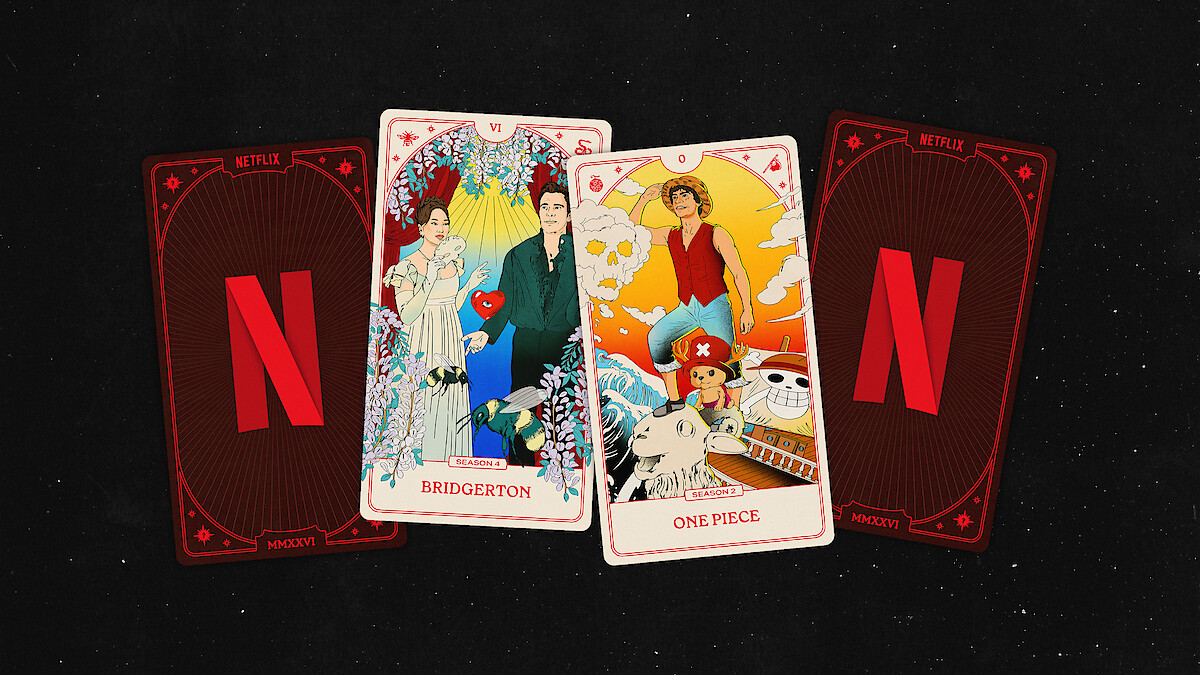
3. Seeking Guidance: Netflix Tarot Experience
What we said:
Tarot, astrology, and elemental practices are moving from niche interests into the mainstream. Aligned with our 2026 Big Picture macro trend, Awe and Wonder, people are seeking guidance in alternative places. They’re looking for ways to welcome introspection and a sense of destiny into their everyday lives.
What we’re seeing so far:
The global tarot market has seen significant growth in the past year. Awareness has spread through TikTok and Instagram with 20.5 million posts and over 46 billion global views. There has been a significant uptick in engagement amongst teens and young adults. 67% of new tarot practitioners in 2025–2026 being aged 18–34.
We’ve spotted brands like Netflix jump at the opportunity. They kicked off their new year entertainment line up with an interactive tarot reading activation. The campaign provided viewers with suggested shows to support their future aspirations.
Custom tarot decks appealing to specific subcultures and fandom art have been a huge contributor to this market growth. How can your brand tap into future opportunities?