Future in Focus: What’s Influencing Pocket Money Spending?

 Needoh
 In this edition of Future in Focus, Anna explains what’s really at play for brands when it comes to pocket money spending.
The pocket money market has boomed in recent years as brands have explored new categories and appealed to new audiences with unlocked spending power. Whether it’s collectibles, sensory squishies, confectionary or in-game purchases, each spend passes through a considered process of ‘parental vetting’, causing tensions which brands need to be aware of.
Ahead of our 2028 Pocket Money Purchases report, here we explore some of the most divisive driving forces behind toy and treat culture, and the parental mindsets influencing spending.
The 2028 Parental Mindsets
There are a number of non-exclusive parental mindsets at play in 2028. These mindsets are vital to consider as the purchaser, the consumer and the care provider draw different demands:
- Future Financers ‘Money doesn’t grow on trees’, seeking to teach financial literacy and raise children who understand the risks and benefits of earning, saving and spending.
- Safety Scouts ‘What’s in that, can it harm my child?’, who’s primary concern is health and safety, seeking out naturally fabricated and non-toxic contents.
- Joy Prioritisers ‘Kids grow up so fast, I just want to make every moment special’, maximising children’s interests and aesthetics to capture memories.
- Land-fill Minimisers ‘My kids don’t need more stuff, especially short-lived plastic toys’, living consciously to avoid excess waste.
- Screen Diverters ‘If it gets my child away from the screen, it’s worth the money!’, incentivising real life play and social interaction, to balance screen use.
If your product line fails to appeal to the child, it stays on the shelf. If it fails to satisfy the parent’s best intentions, it never enters the home.
So let’s explore some tensions of both audiences. If you’re a designer, buyer or marketing professional, this is where the opportunities lie.
Fintech vs. The ‘Piggy Bank’
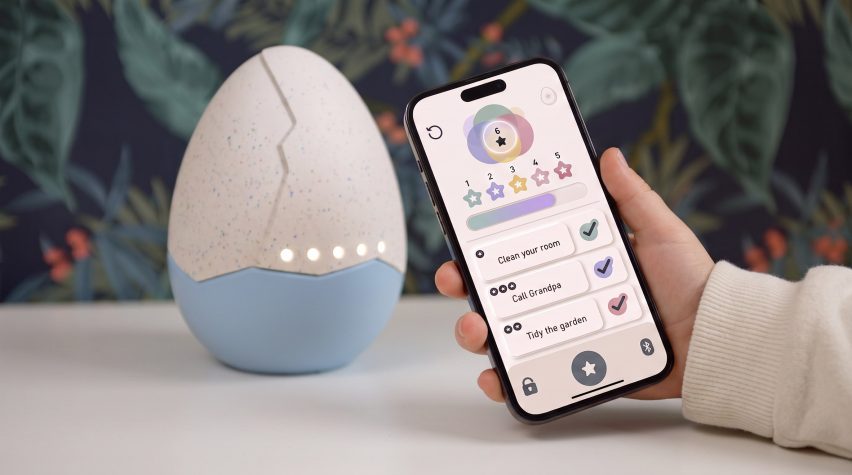
According to research by family fintech apps such as Go Henry (UK) and Greenlight (US), the average tween receives between £5–£10 ($7–$15) weekly. But these tweens rarely feel the physical value of this due to the nature of automated allowances, chore-based bonuses, and digitised gifts. The ‘piggy’ bank has become obsolete, raising the first tension in the pocket money debate – how important is the physical experience of earning, saving and spending?
The western world exists as a mostly cashless society, where the nostalgic phrase of ‘look after the pennies, and the pounds will take care of themselves’ no longer resonates with gen alpha, who use smart devices to check their ‘chore bonus’ is logged.
Whilst more affluent families might be raising mini-investors who are familiar with interest rates and saving pots, all children rely on parental guidance to support spending, saving and sharing of pocket money, to build a healthy financial understanding.
For many, the tangible exchange of currency will be essential in their child’s learning, as well as the most accessible option for families who can’t afford fintech apps to manage allowances.
How can brands support parents to build financial literacy through the physical act of giving, receiving and investing pocket money wisely? The Nest Egg looks to bridge this gap with their interactive growing egg, designed to provide tangible solutions to digital spending and saving.
Sustainability vs. Social Currency
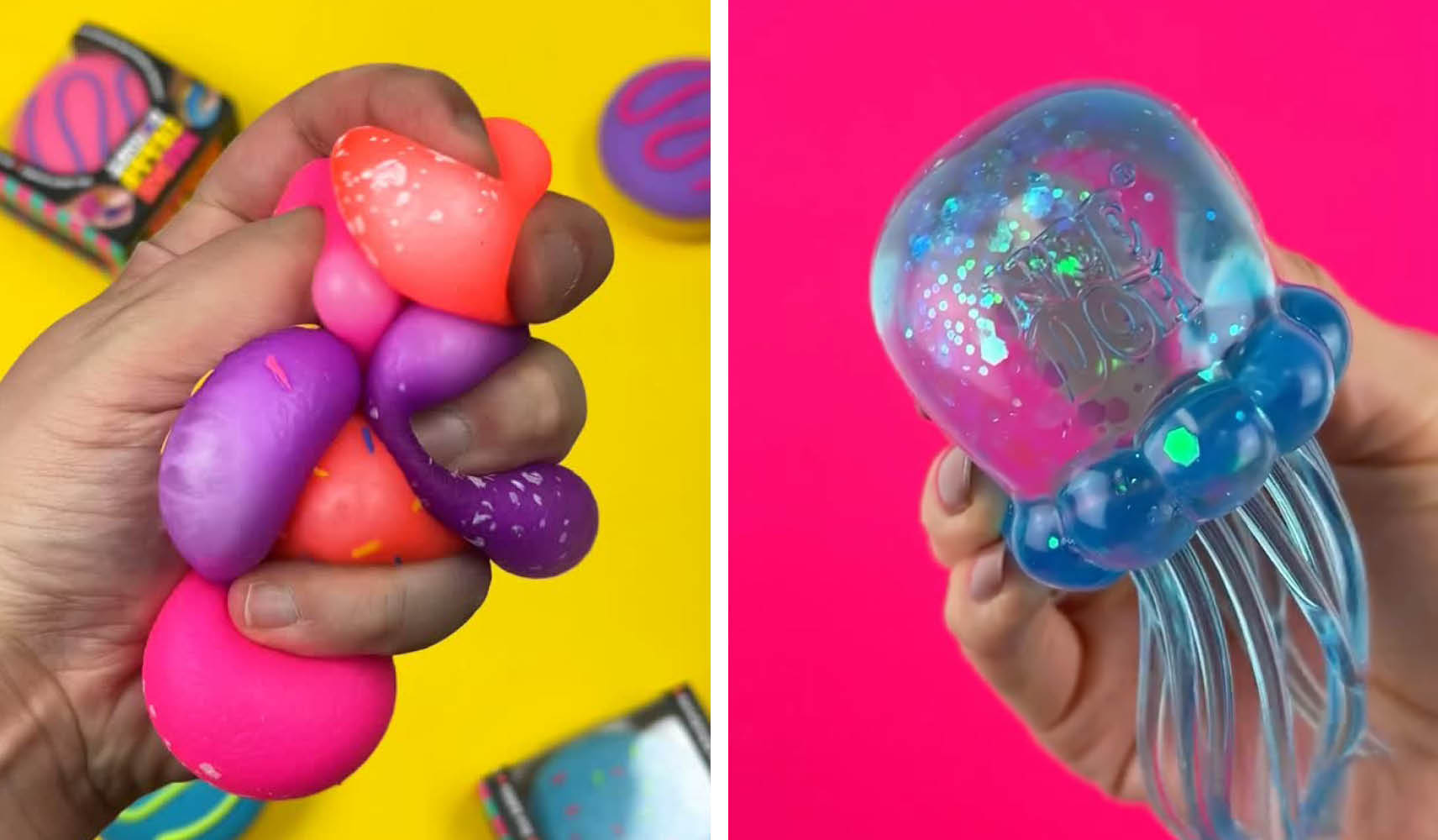
Earlier this year NeeDoh became the sell-out pocket money purchase. Shortages of the product drove even more demand, as children, tweens and teens sought out the latest drop of sensory regulating squishy toys. Designed to support neurodiversity and aid fidgeting, to improve focus and soothe feelings of overwhelm, the product soon shifted to also provide instant playground prestige, a tangible “social currency”.
Children are increasingly hyper-exposed to algorithms, accelerating the shelf-life of these trends and putting immense pressure on rapid-cycle purchasing. The tension rises as parents and care providers look to balance longevity vs. sustainability. Is it waste if it supports self-regulation? Is it waste if it aids real-life connection through swap and trade? Is it waste if it’s played and displayed, building safe space environments for young people living in a fast-paced world?
The question for brands is how can you level the tension scales to ease demands on both sides? Designing around multi-beneficiary ‘use’, expanding on the social friction of swapping and trading, elongating the moment of play to last beyond the unboxing and prioritising circularity from the outset to minimise waste.
Ready to dig deeper?
Our Pocket Money purchases report 2028 is coming soon and will be available to My TrendBible Baby & Kids subscribers.
Not a member yet? Book a demo of My TrendBible and dive deeper in the future of pocket money purchases.