3 Interior Design Trends Shaping Life at Home in 2027

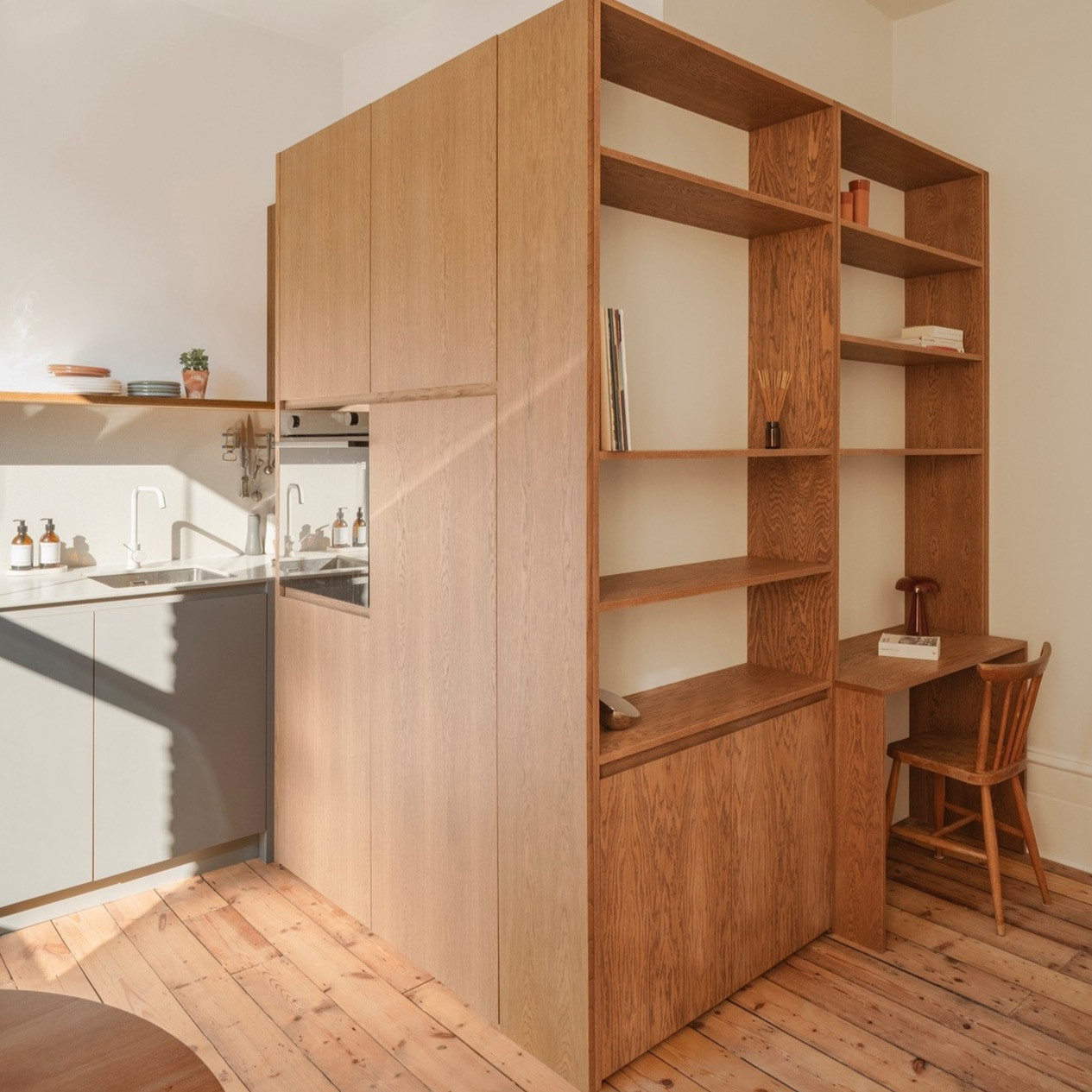 Model Platform Workshop
 To understand where home decor is heading, it’s important to first chart the fundamental shifts in interior design. Will householders be seeking spaces that are open or closed? Light or dark? Modular or seamless? What home improvement projects are on the rise?
For 2027, interior design will move away from perfection and ornamentation in favour of authenticity and intelligent functionality. From tactile, cocooning interiors to honest renovation journeys and homes designed to evolve alongside their occupants, these three trends reveal how people are redefining what it means to feel at home.
1. Texture Drenching
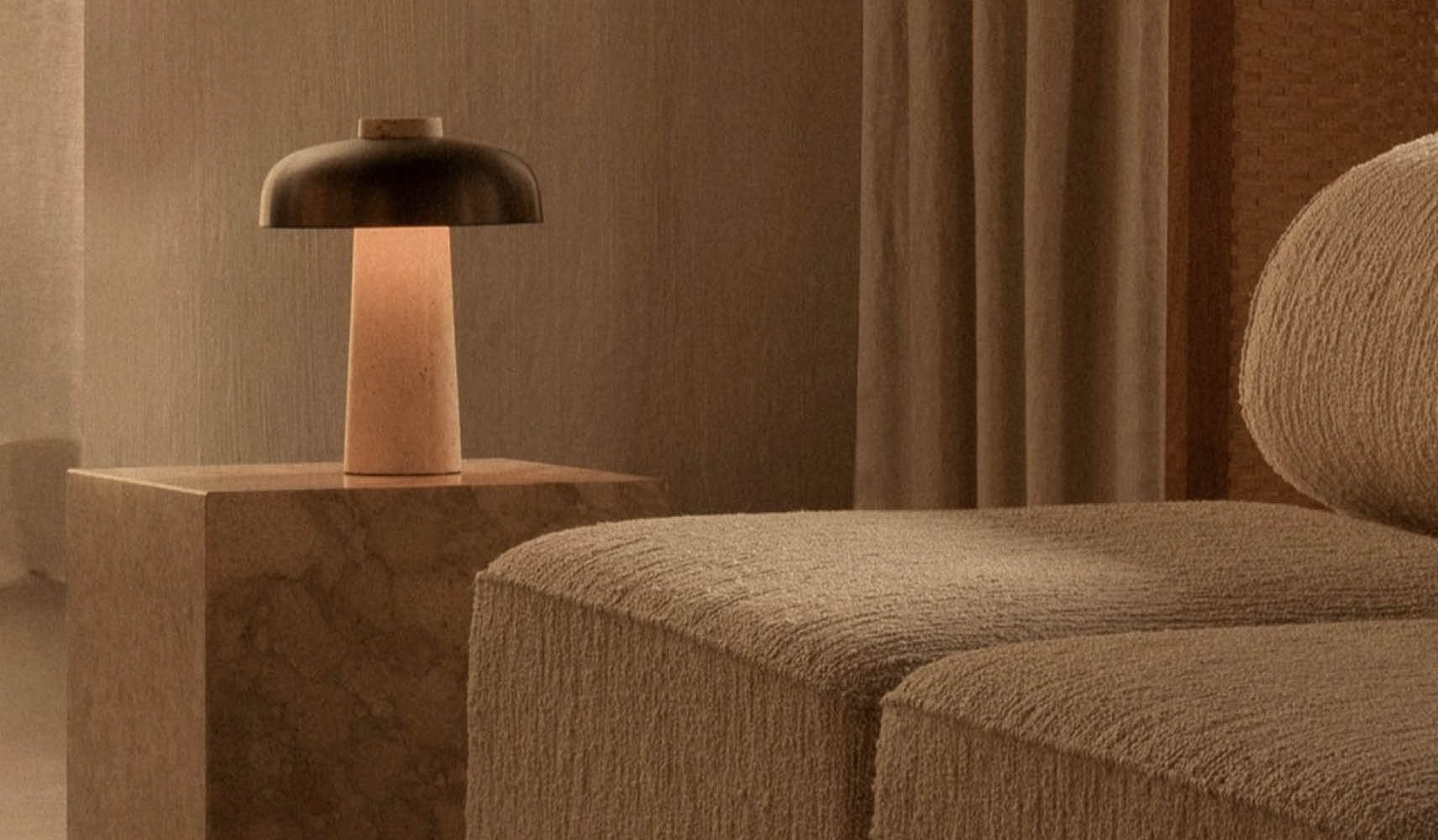
Building on the popularity of colour drenching and pattern drenching, texture drenching sees interiors enveloped in tactile materials from wall to floor, creating sensory-rich spaces that feel warm, comforting and immersive. Walls, floors, furnishings and even functional elements are softened through layers of fabric and textured finishes, fostering a more intimate and emotionally responsive relationship with the home.
As explored in our Autumn/Winter 2026/27 trend, The Hushed Home, this approach reflects a growing desire for calm and sanctuary. Soft materials provide acoustic benefits by absorbing sound, helping to create hushed, protective environments that offer respite from increasingly busy lives. Drapery takes centre stage, cascading across walls and windows to soften architectural lines, blur boundaries and heighten the feeling of enclosure.
2. Slow, Low and No-Reno
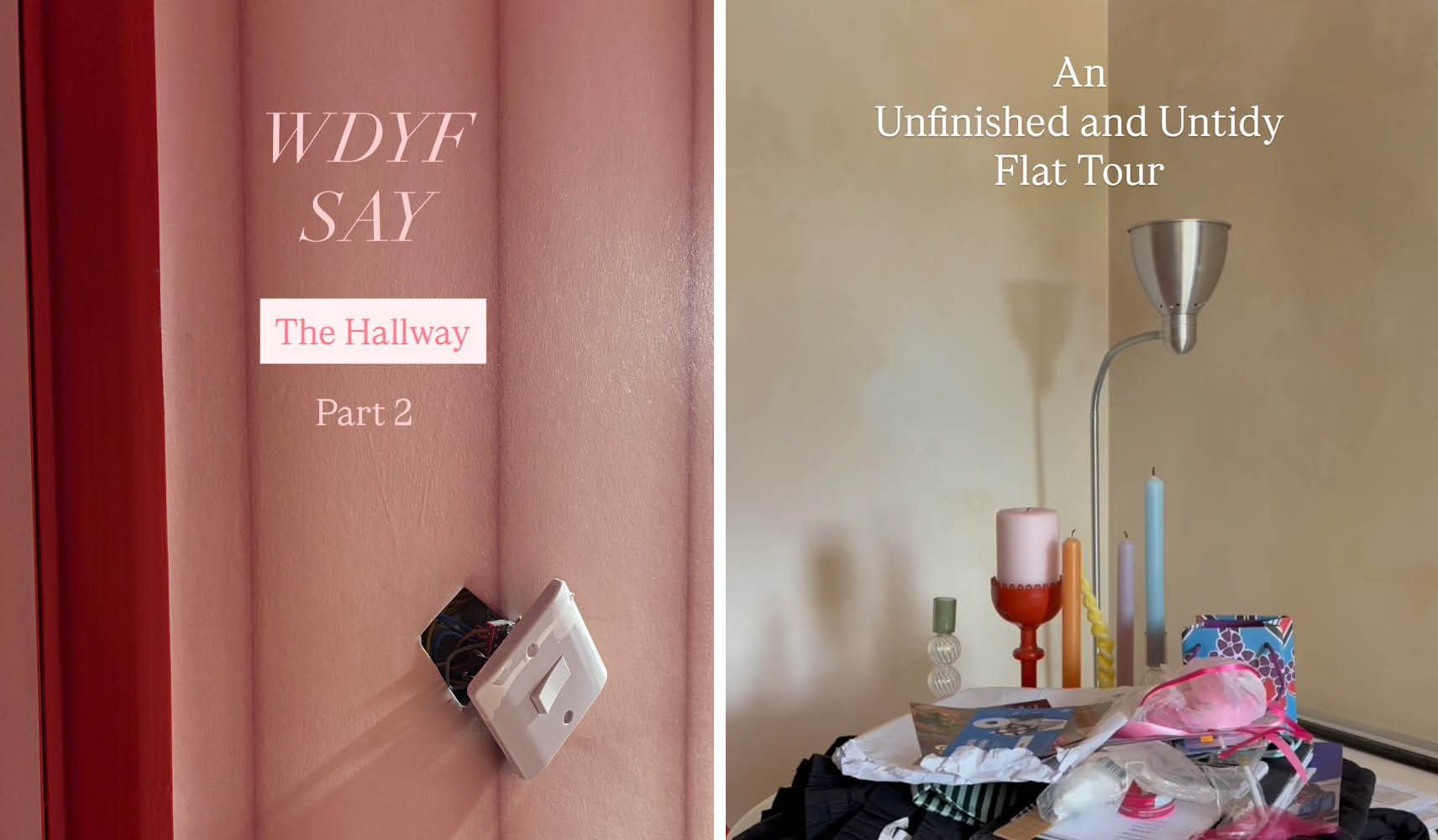
The polished, picture-perfect renovation reveal is giving way to a more honest portrayal of what it really takes to make a house feel like home. This shift aligns with the growing ‘slow, low or no-renovation’ movement, where progress is more valued than perfection. By showcasing the often messy, unpredictable process of renovating, creators are offering a more relatable and reassuring perspective that resonates with householders navigating similar experiences.
Rather than aspiring to flawless interiors, audiences are increasingly connecting with homes that reflect real life. Creators such as @ro.unfinished exemplify this movement through honest and humorous content, including her Unfinished & Untidy Flat Tour, proving that a home doesn’t have to be finished to be lived in and loved.
3. Embedded Flexibility
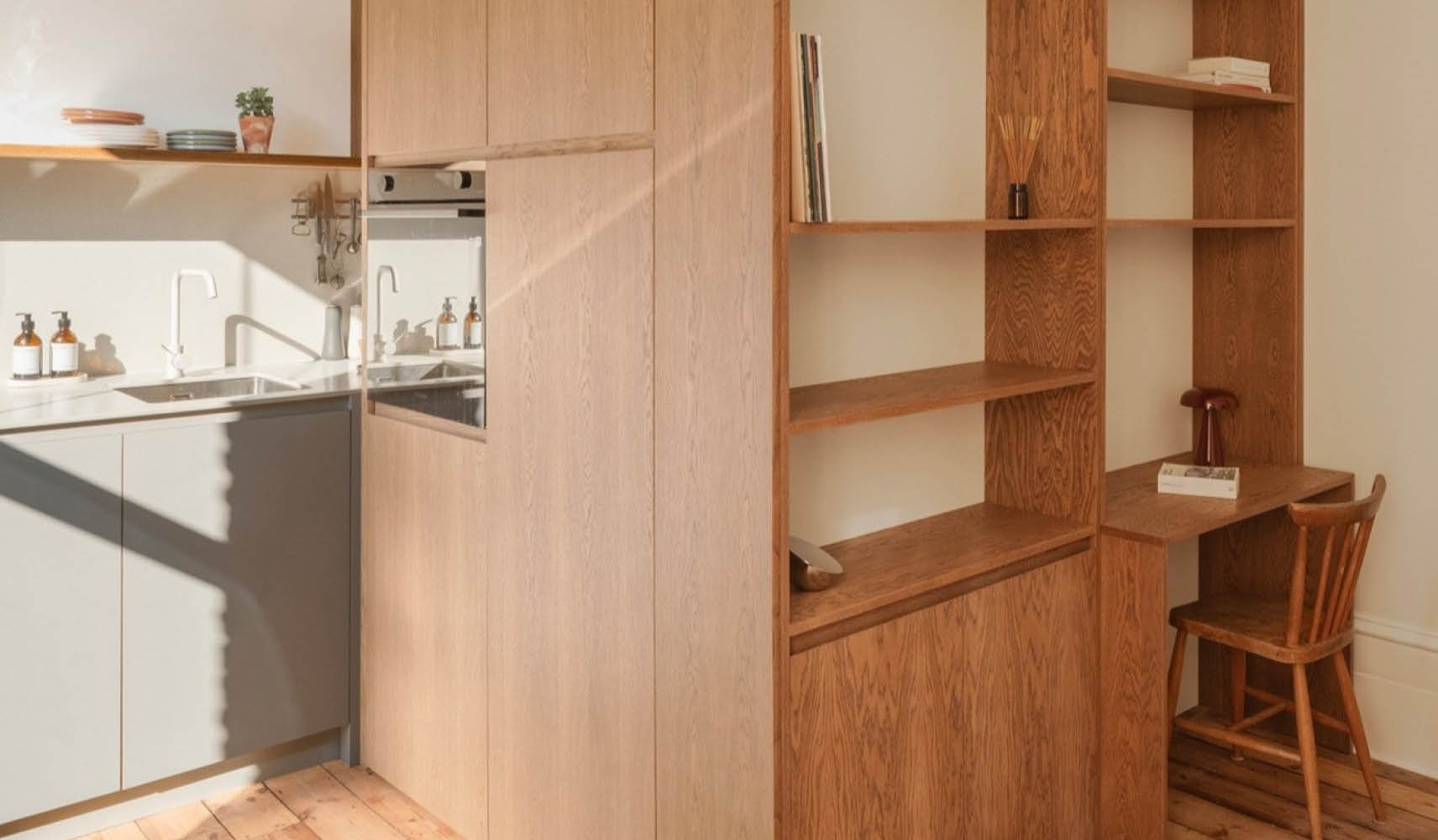
As homes continue to serve multiple functions, from workplace to social hub and everything in between, adaptability is becoming a defining feature of interior design. In 2027, householders are prioritising spaces that can effortlessly evolve to meet the changing needs of every member of the household.
Technology plays an important role in this shift, with the rise of intuitive technology powered by AI fuelling the Smart Home 2.0. Alongside these technological advancements, there is a growing interest in simpler, low-tech forms of flexibility. Adaptable furniture, modular layouts and compact, fold-away solutions allow spaces to transition seamlessly between different moments: the work meeting, the morning coffee break, the games night or the family meal. Rather than designing rooms around a single purpose, householders are investing in interiors that evolve with their lifestyles, creating homes that are as dynamic as the people who live in them.