Seasonal Magic Without the Waste: What’s Next for Halloween?

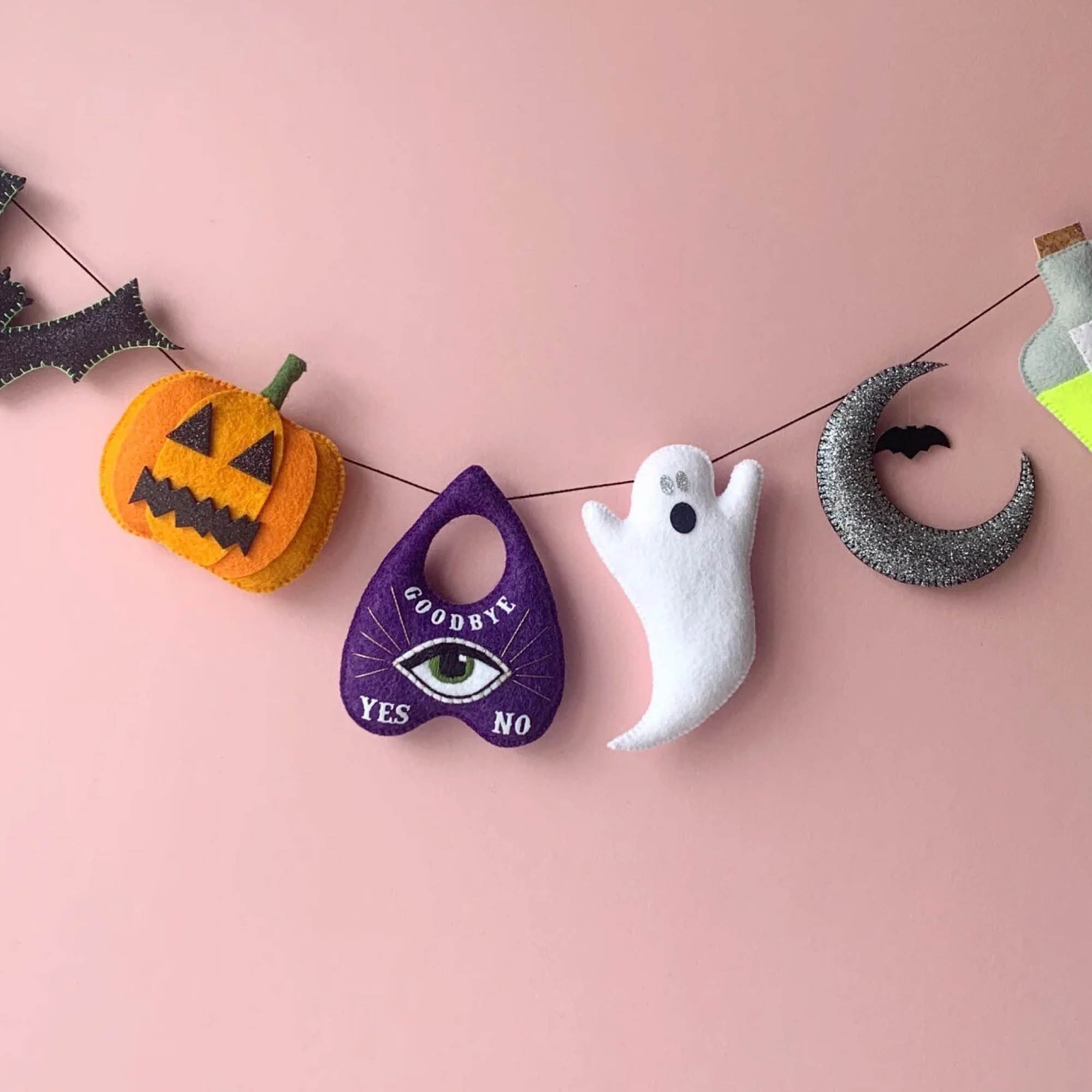 Savana Lawler Textiles
Halloween is one of the fastest-growing moments in the seasonal calendar, and its growth comes against a backdrop of climate anxiety. Of all the Halloween trends shaping the season, the biggest opportunity for retailers sits in resolving the tension between indulgent novelty and its environmental cost.
Halloween is Still Growing
US shoppers are forecast to spend a record $13.5 billion this year, up from $13.1 billion in 2025, while UK spend is expected to reach £705m, up 6%. German spending also sits more than 60% above 2019 levels.
Having worked in the seasonal and celebrations market for well over a decade, we’ve watched Halloween shift from a one-night low-key event to a season that starts in late summer and reaches into every room of the home.
Joy, and a Reason to Connect
When so much feels heavy, people protect the small rituals that give them something to look forward to. Our Halloween 2027 report tracks a move away from gore towards playful, family-friendly escapism, with 47% of consumers planning to shop before October.
Halloween also meets a growing need for connection. It is one of the few nights of the year when neighbours knock on each other’s doors. A decorated porch or a bowl of treats at the gate is a love letter to the community. For households feeling the effects of isolation, that sense of belonging is a big part of what they are buying.
The Tension: Fun Versus Footprint
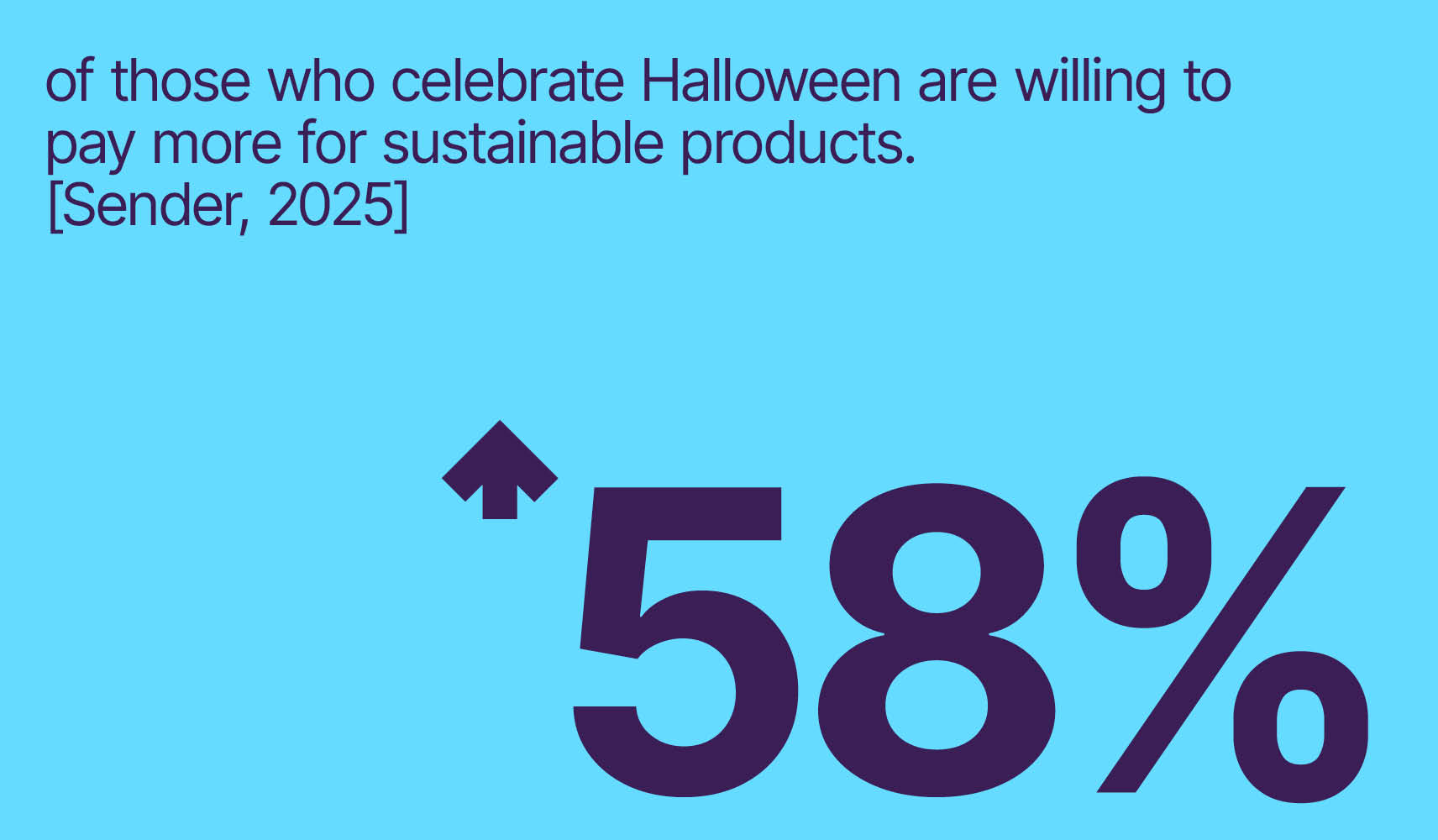
Novelty is central to Halloween, but it sits uneasily alongside a growing awareness of waste. Social media has coined a term for the overflowing seasonal aisle, landfill-maxxing, and it has caught on because many shoppers already feel this internal conflict. When Hubbub studied costumes from UK retailers, it estimated around 2,000 tonnes of plastic waste from a single season. Yet 58% of people who celebrate Halloween say they are willing to pay more for sustainable products (Sender, 2025). Most people want to keep the fun and lose the guilt, but struggle to see a way to do both.
The seasonal aisle is where this tension plays out, and shoppers rarely arrive thinking about carbon footprint or landfill. The parent buying for a party is picturing their child’s face when the lights go down and the boo baskets come out or working out how far the budget will stretch. Delight and value are still foundational to the shopper mindset, and a throwaway product can still feel like the generous choice.
In our experience, sustainability only lands on the shelf when it is attached to something the shopper already wants, such as a better-looking piece or a longer life.
What if novelty didn’t have to mean waste?
Our seasonal forecasts for 2027-28 describe the overall mood as reassessing the excess rather than eliminating it. Shoppers still want surprise and newness each year. The products that win will deliver it while also earning their place in the box for next October.
Three solutions for product designers:
- Design for years to come. Heirloom and keepsake pieces, from quilted felt ghosts to hand-finished ceramics, build a collection that grows each season. Releasing a new character every year gives shoppers a reason to return, and a higher price point is easier to justify when the piece still comes out of the box a decade later.
- Blend with the décor aisle. The cute factor extends the selling window. Pumpkins, mushrooms, moons and friendly ghosts in softer palettes sit happily on a mantel from September to Bonfire Night, so the product keeps working long after 31 October.
- Build in the personal touch. Carving, origami, yarn and clay kits turn a little material into a whole afternoon of fun. The making becomes the memory, and a piece someone made themselves is rarely the one that gets binned.
As one of the fastest-growing holidays in the calendar, Halloween gives designers real influence over how seasonal ranges are built. Access more actionable direction on Halloween trends with a MyTrendBible subscription.
Our Halloween 2028 report goes live this month as part of our Seasonal and Celebrations subscription. Subscribe to find out how these mindsets are shifting next, and what that means for your ranges.