Future in Focus: How Are Brands Telling Stories Through Scent?

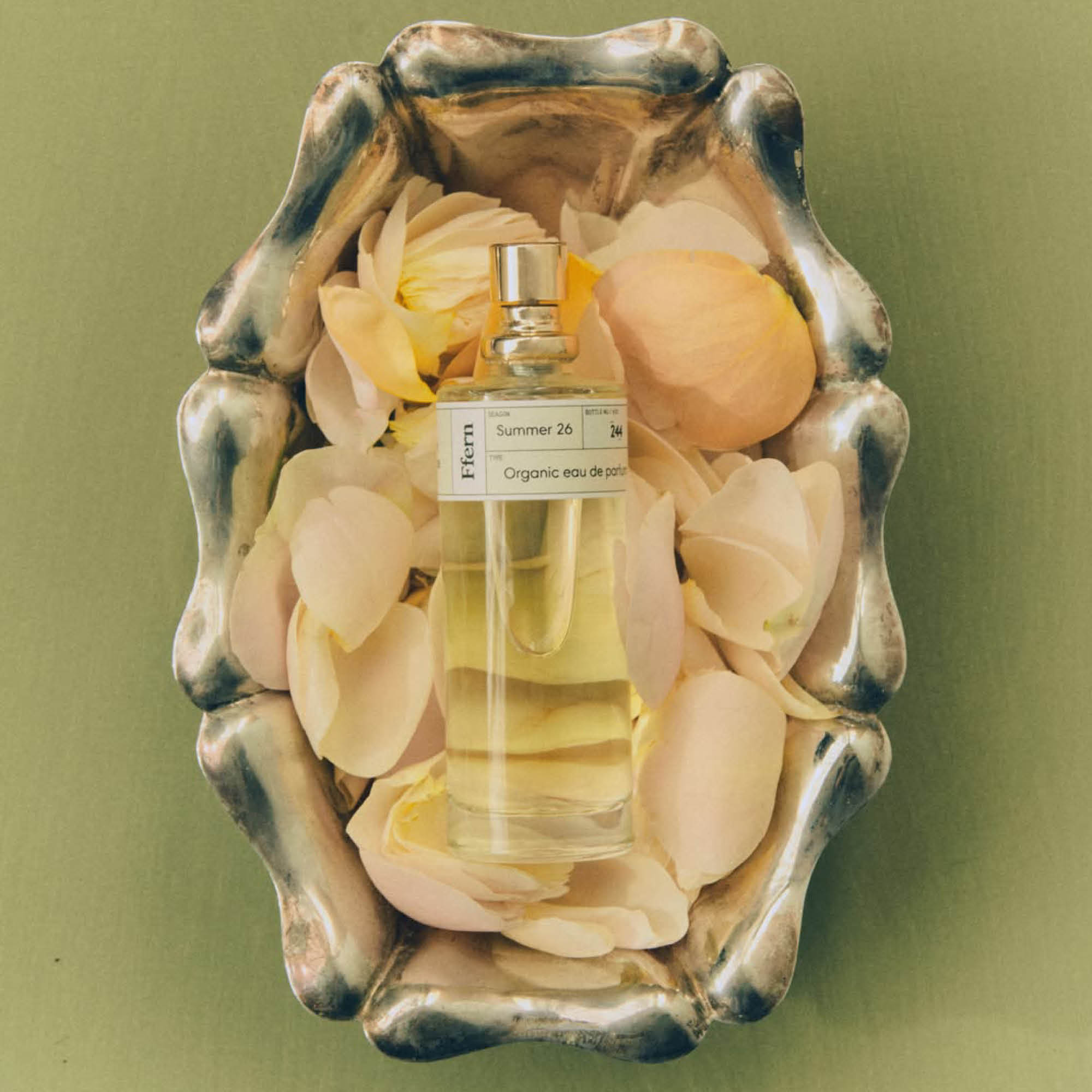
Fragrance is in focus, evolving beyond the product itself and becoming a powerful storytelling device that invites consumers into immersive, sensory-led worlds.
Rather than simply communicating notes or ingredients, brands are increasingly using scent as a creative language. They are using fragrance as a device to build narratives, shape environments and evoke experiences.
Fragrance is influenced by the rise of food-led aesthetics and flavour culture. Ingredients once associated with foodie trends are now moving into scent, substance and sensory products. This evolution presents a key opportunity for brands to translate flavour-driven desires into immersive fragrance experiences, using familiar tastes and ingredients as emotional and narrative anchors.
Increasingly we are seeings brands using scent, substance and flavour to embrace world building. They are extending fragrance into physical spaces and creating tactile touchpoints that bring a scent’s story to life.
Ingredient-Led World Building
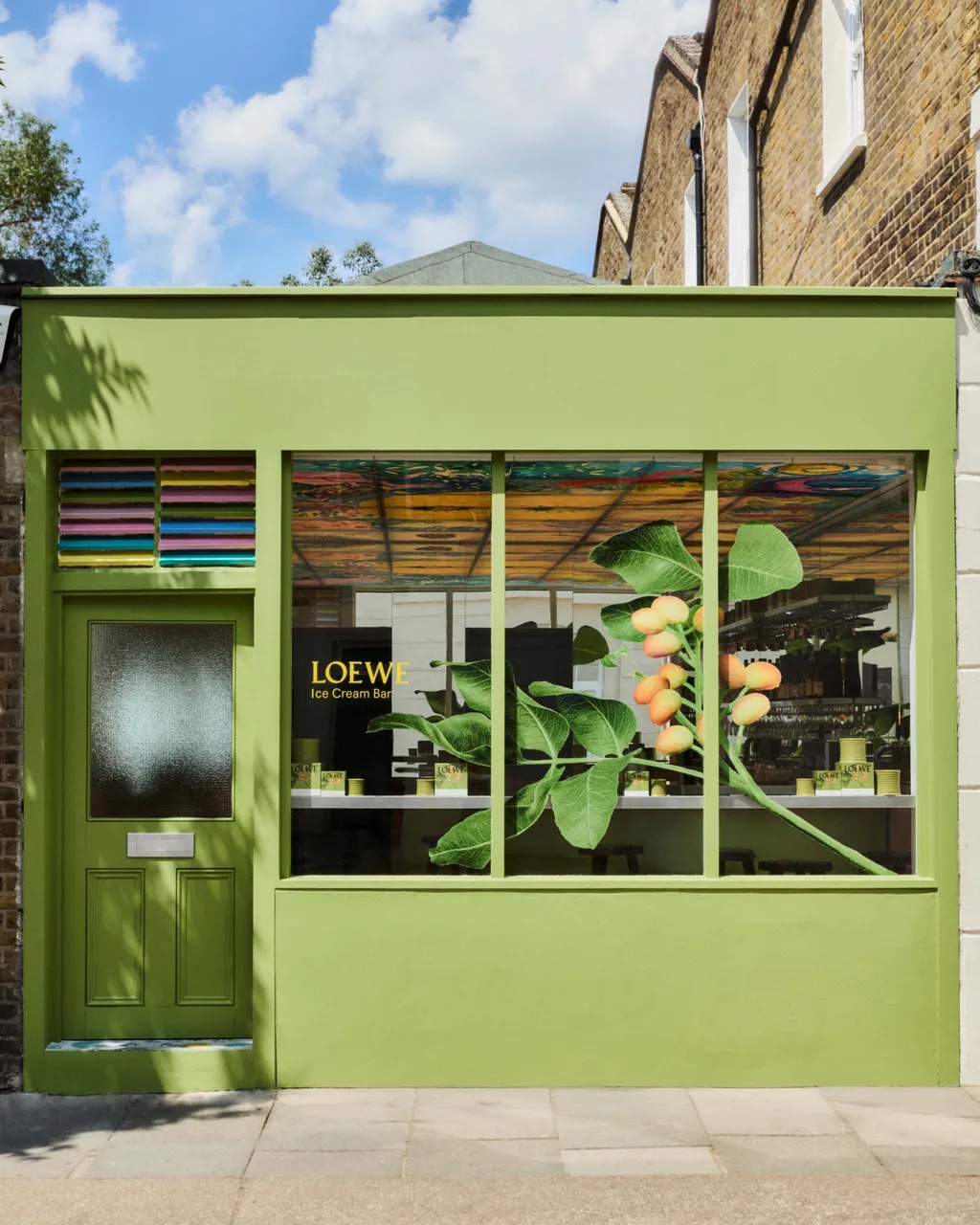
This flavour-focused storytelling is demonstrated by Loewe’s recent pistachio-themed pop-up at London ice cream bar, The Dreamery. Wrapped in a pistachio-green shop front with whimsical interiors, the space transformed a trending fragrance ingredient into an experience.
Rather than simply referencing pistachio as a note, the activation translated its creamy, nostalgic and playful qualities into colour, texture and atmosphere. In doing so, Loewe blurred the boundaries between fragrance, food and design, to create an experience that encouraged consumers to step inside the story.
British fragrance brand, Ffern is also embracing a world building approach to scent, with its slow, seasonal storytelling, natural ingredients and cinematic visuals.
Rooted in connection to nature and the rhythms of the seasons, the brand creates a sensory universe around each fragrance release. In doing so, they invite consumers to engage with scent as a journey, rather than a single purchase. Through carefully crafted films, botanical references and a focus on provenance, Ffern transforms fragrance into an immersive narrative that reflects a growing desire for authenticity, ritual and deeper emotional connection.
Designed for Ritual
Fragrance is increasingly becoming part of intentional daily rituals, supporting moments of creativity, reflection and self-expression. As consumers embrace analogue hobbies, such as journaling, note-taking and creative writing, scent is emerging as a mood-setting tool that enhances focus and fosters emotional connection.
Le Labo’s Fragrance Notebook reflects this shift, reframing fragrance as a companion to mindful practices, rather than a finishing touch. By pairing scent with journaling, the brand positions fragrance within a broader context wellbeing and creativity, encouraging consumers to build rituals around the product.
This evolution also places greater emphasis on purposeful vessel design. Bottles, candles, jars and accompanying objects are becoming keepsakes designed to live beyond the fragrance itself, functioning as beautiful, tactile artefacts that supports everyday rituals. Whether displayed on a desk, repurposed as storage or incorporated into a creative workspace, these vessels extend the life of the product while reinforcing that brand’s narrative.
What does this mean for brands?
Every ingredient, flavour and substance becomes an opportunity to create a storytelling narrative, inviting consumers to participate, rather than simply observe.
As audiences increasingly seek products that resonate emotionally and culturally, storytelling through scent offers brands the opportunity to create richer, more memorable experiences.
- Design the vessel as part of the narrative. Treats bottles, candle vessels and packaging as storytelling assets that embody the fragrance’s world, extending the sensory experience beyond the scent itself.
- Create ingredient-led narratives. Move beyond fragrance notes to create rich stories around hero ingredients and flavours, drawing on their cultural relevance, visual identity and emotional associations to deepen consumer connection.
- Design for sensory engagement. Create immersive touchpoints – from experiential retail and pop-ups to rituals, tools and collectables – that invite consumers to engage with, personalise and become part of the fragrance story.