Future in Focus: How can Customisation Connect Brands to their Consumers?

 So Watt
 The future of furniture won’t be defined by finished products, but by what consumers choose to do with them. In an era shaped by homogenised interiors, dupe culture and algorithm-shaped taste, customisation is no longer just about cost-saving. It’s about creativity, and it’s turning DIY into a tool for authorship and control.
From ‘Hack’ to ‘Craft’, What’s changing?
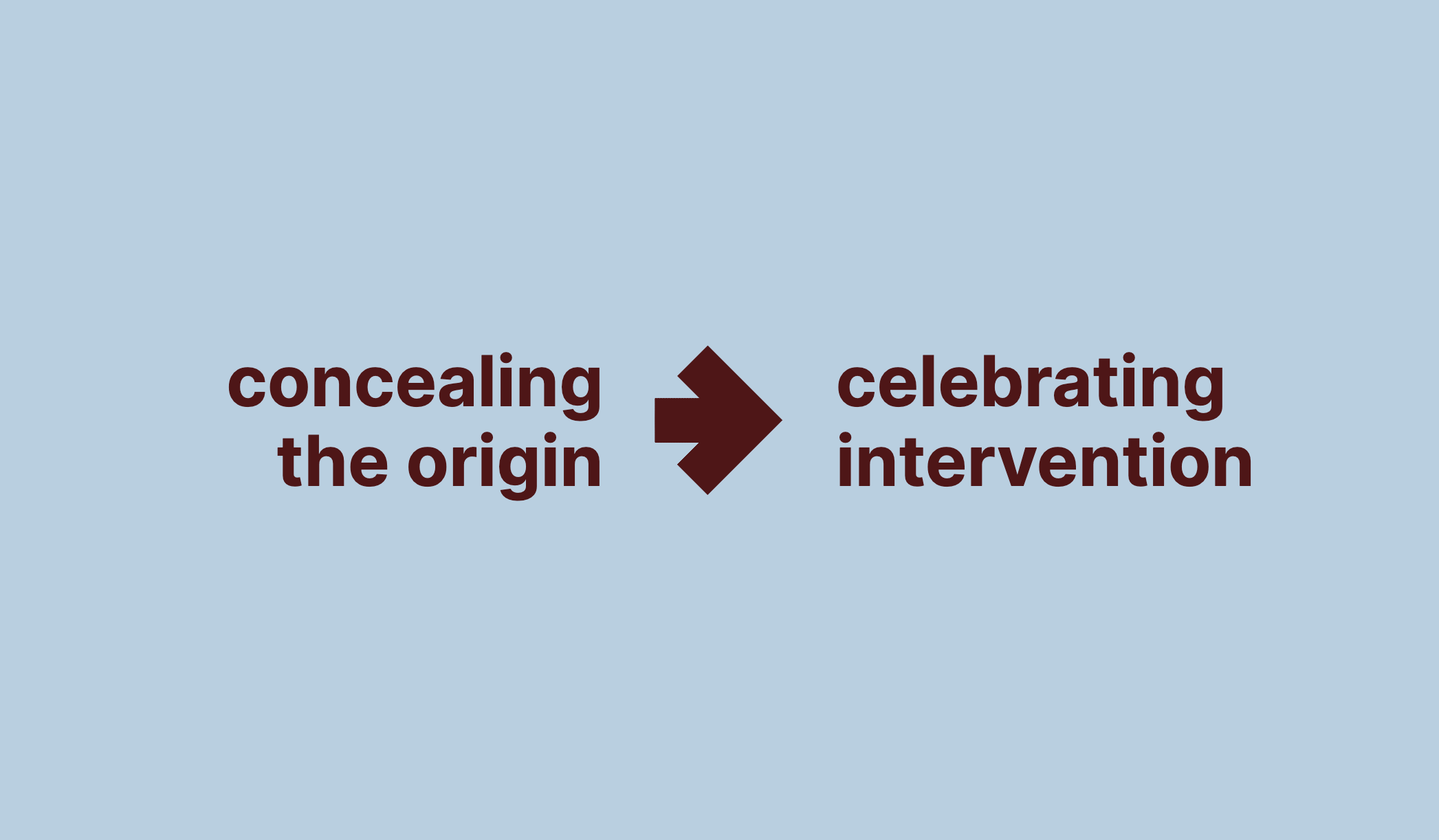
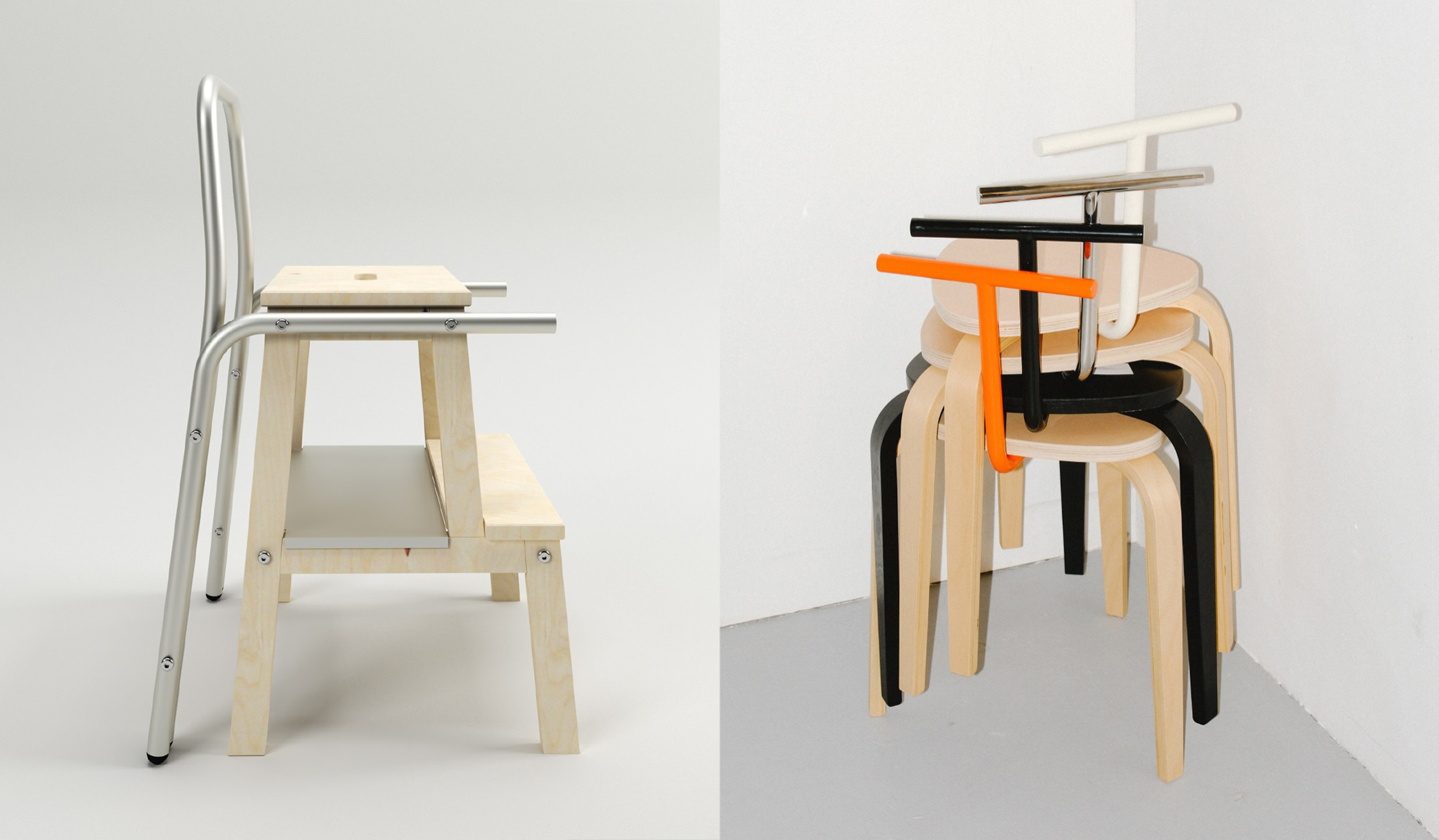
For years, furniture adaptations, or “hacks”, were designed to conceal origin, transforming recognisable, mass-market pieces into something that appeared new. Increasingly, that logic is being reversed.
Today, householders are placing value in visible transformation: structural alterations, decorative hand-painting and playful material mixing spotlight the act of making. The result is that furniture feels less manufactured and more authored.
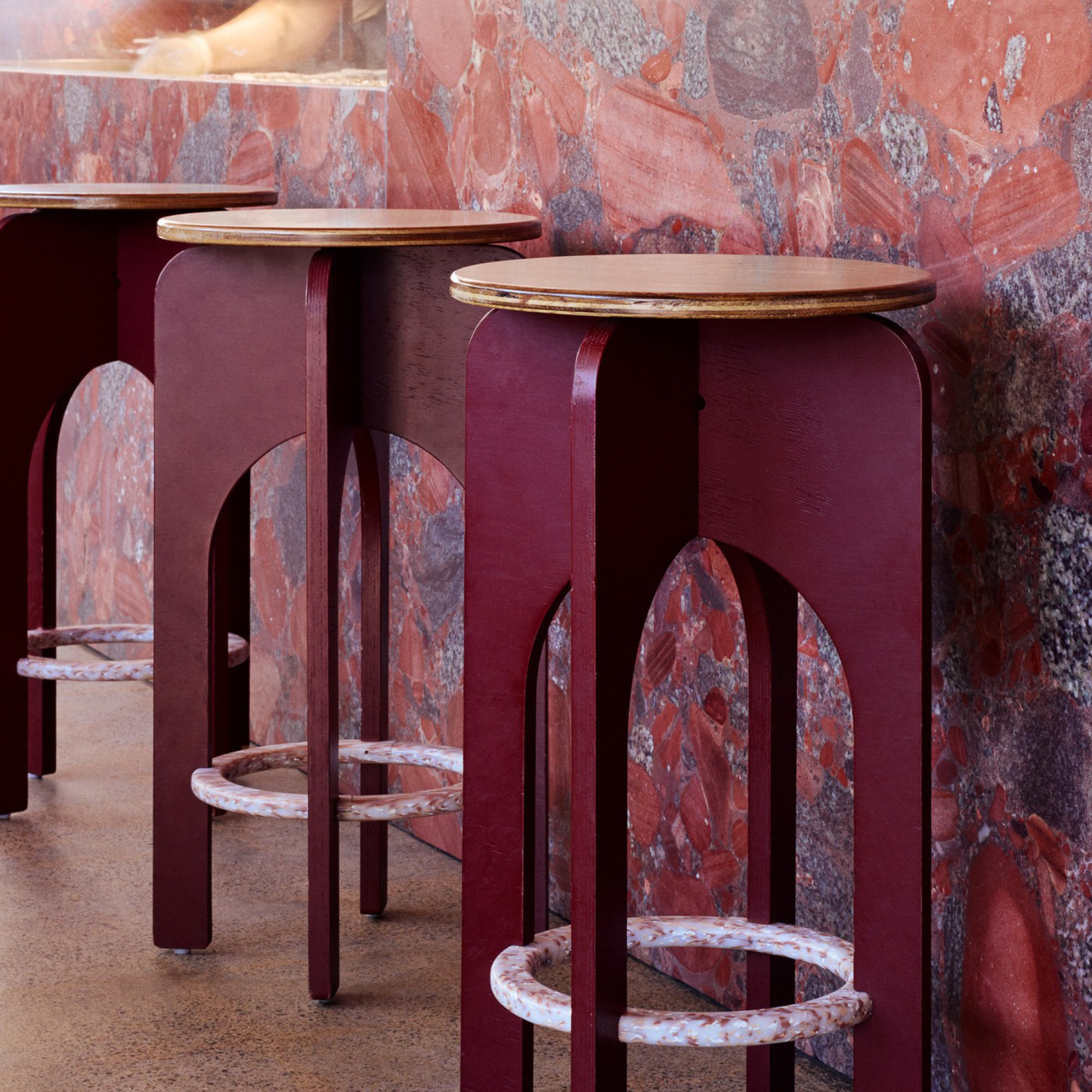
Retailers are beginning to respond too. Brands such as Bemz and B.ARC position customisation not as an afterthought, but as a core part of their offer. They’re selling not just products, but permission to personalise. Elsewhere, collaborative models are being used to explore more expressive directions. Studio Bunk’s partnership with Shellegence, for example, introduces hand-painted surfaces and layered ornamentation – blurring the line between product and artwork.
What unites these approaches is a shift away from fixed design outcomes, towards furniture as a starting point for interpretation.
Consumer Mindsets impacting this Market:
When working with brands and retailers, we encourage a shift in perspective: moving away from traditional demographic thinking and towards a mindset-led approach. By focusing on attitudes, values, and behaviours, brands are better equipped to create products that truly resonate with their future consumer.
This approach enables more meaningful, relevant innovation grounded not in who consumers are on paper, but in how they think and feel. For a deeper dive into this framework, check out Joanna’s most recent blog here.
When it comes to this evolving landscape, which prioritises creativity, adaptability, and transformation, the key consumer mindsets shaping this market include:
- Elevation Seekers
Mass-market items, reimagined to signal higher value.
“I bought it for £50, but I want it to read as £500”
- Control Seekers
Reject limited offerings in favour of personalisation
“Brands don’t offer the exact finish or format I want”
- Identity Builders
View the home as a canvas for self-expression
“I don’t want my home to look like anyone else’s”
- Low-stakes Experimenters
Use accessible items as a low-risk testing ground for creativity
“If it fails, I haven’t lost much, but I’ve learned something”
Why Now?
Several converging forces are accelerating this shift.
Dupe culture has expanded access to high-end aesthetics, but in doing so, it has blurred distinctions. As fatigue sets in, alteration emerges as the next step, moving consumers from imitation to individualisation.
At the same time, a broader cultural pivot towards process over perfection is legitimising experimentation. DIY is no longer purely functional; it is performative, shareable and socially validated. This is something we explored in depth in our 2027 Macro Trend, Embrace the Process.
Concurrently, as generative AI scales aesthetic sameness, visibly hand-crafted and imperfect objects take on new meaning. Imperfection becomes a marker of human authorship, valued not despite its irregularities, but because of them.
What are the Opportunities for Brands?
Brands and retailers have yet to fully respond to rising demand for statement individuality. As consumers move towards a more personalised form of maximalism, customisation is increasingly being used to bridge the gap between what brands offer and what individuals want.
This creates several clear opportunities:
- Design for modification. Products that invite intervention, through surfaces, materials or modular formats, position customisation as part of the design process, instead of a workaround.
- Co-create with consumers. Beyond one-off collaborations, brands can elevate consumer hacks into product evolutions, spotlighting, refining and scaling what emerges organically.
- Sell systems, not just products. Components such as overlays, legs and fixings enable ongoing transformation and repeat engagement.
- Enable guided creativity. Toolkits, tutorials and AI-assisted visualisations can lower the barrier to entry while preserving a sense of authorship.