Reclaiming Culture: Why it’s Time to Start Listening

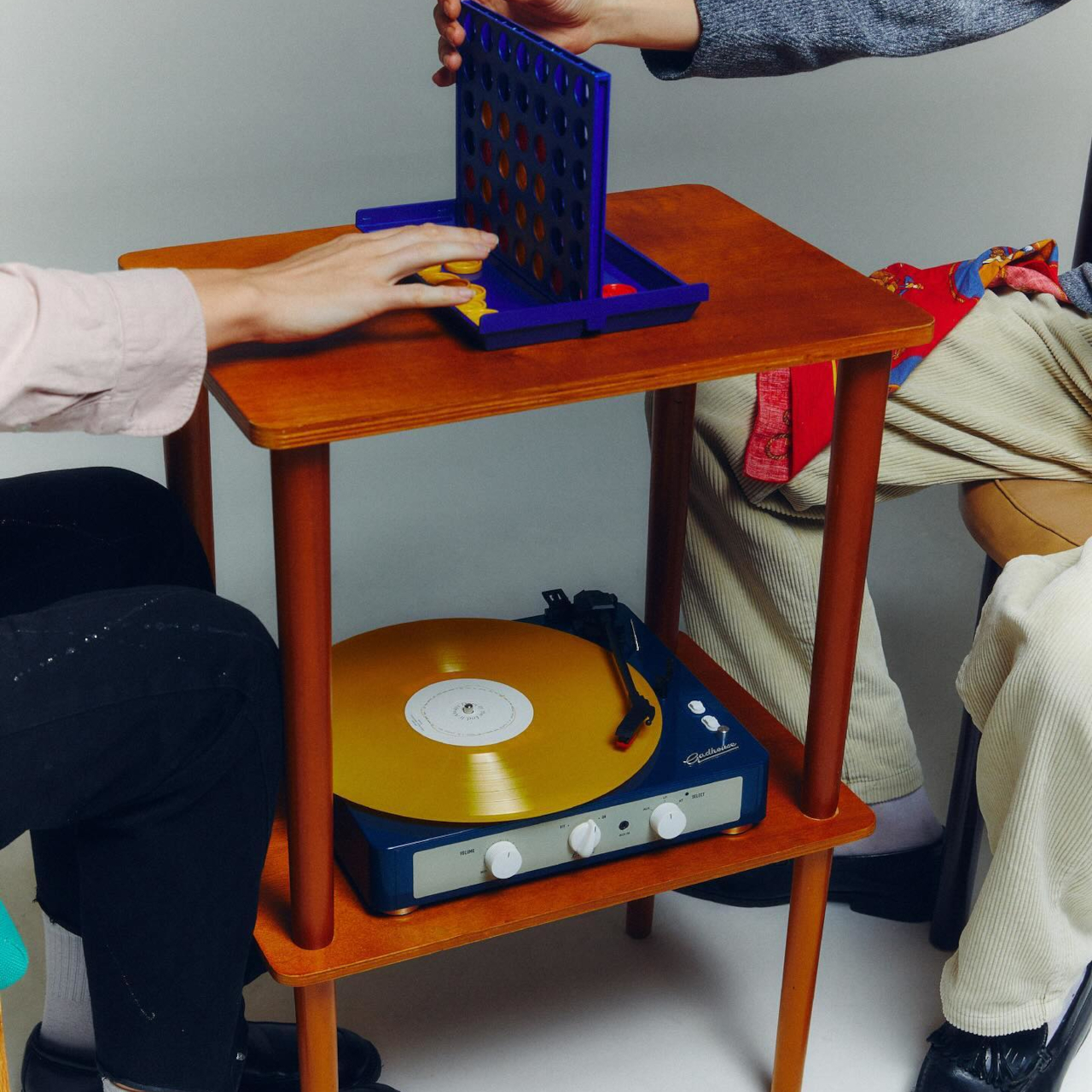 Gadhouse
 In this three-part series our trend experts explore how consumers are reclaiming culture through reading, listening and crafting.
Reclaiming Culture Series: Three Ways Consumers Are Taking Back Their Attention
Algorithms have influenced the way we encounter culture for years now. Offering constant personalisation through tailored feeds, playlists and suggestions.
As a result, people are looking for more deliberate ways to invest their attention, turning toward pursuits that offer richness, exploration and personal expression beyond passive scrolling.
In this three-part series we look at the ways consumers are reclaiming culture — through reading, listening and making.
Part Two: Why it’s Time to Start Listening
Part Three: The Year of Crafting coming soon
Part Two: Why it’s Time to Start Listening
As screen fatigue grows, consumers aren’t turning away from content. Instead, they’re changing how they experience it. Listening is emerging as a cultural counterbalance to visual overload.
Whether through podcasts, audiobooks, listening bars or screen-free tech, sound is offering something increasingly rare; the opportunity to slow down and be fully present.
1. The Rise of the Podcast
Audio has evolved from simply background noise into a key cultural touchpoint. More than 580 million people globally now listen to podcasts, with audiences continuing to grow year-on-year. At the same time, the global audiobook market is projected to exceed $35 billion by 2030, reflecting a growing appetite for long-form, screen-free storytelling.
Rather than replacing reading, audio is extending it, allowing stories to fit naturally into everyday life. The success of Crossed Wires, Sheffield UK’s podcast festival, demonstrates how listening is also becoming a shared cultural experience. Podcasts are no longer confined to headphones; they’re building communities and creating moments of collective participation. In a world optimised for short-form content, listening invites consumers to stay with an idea for longer. It rewards attention rather than competing for it.
2. Spaces Designed for Sound
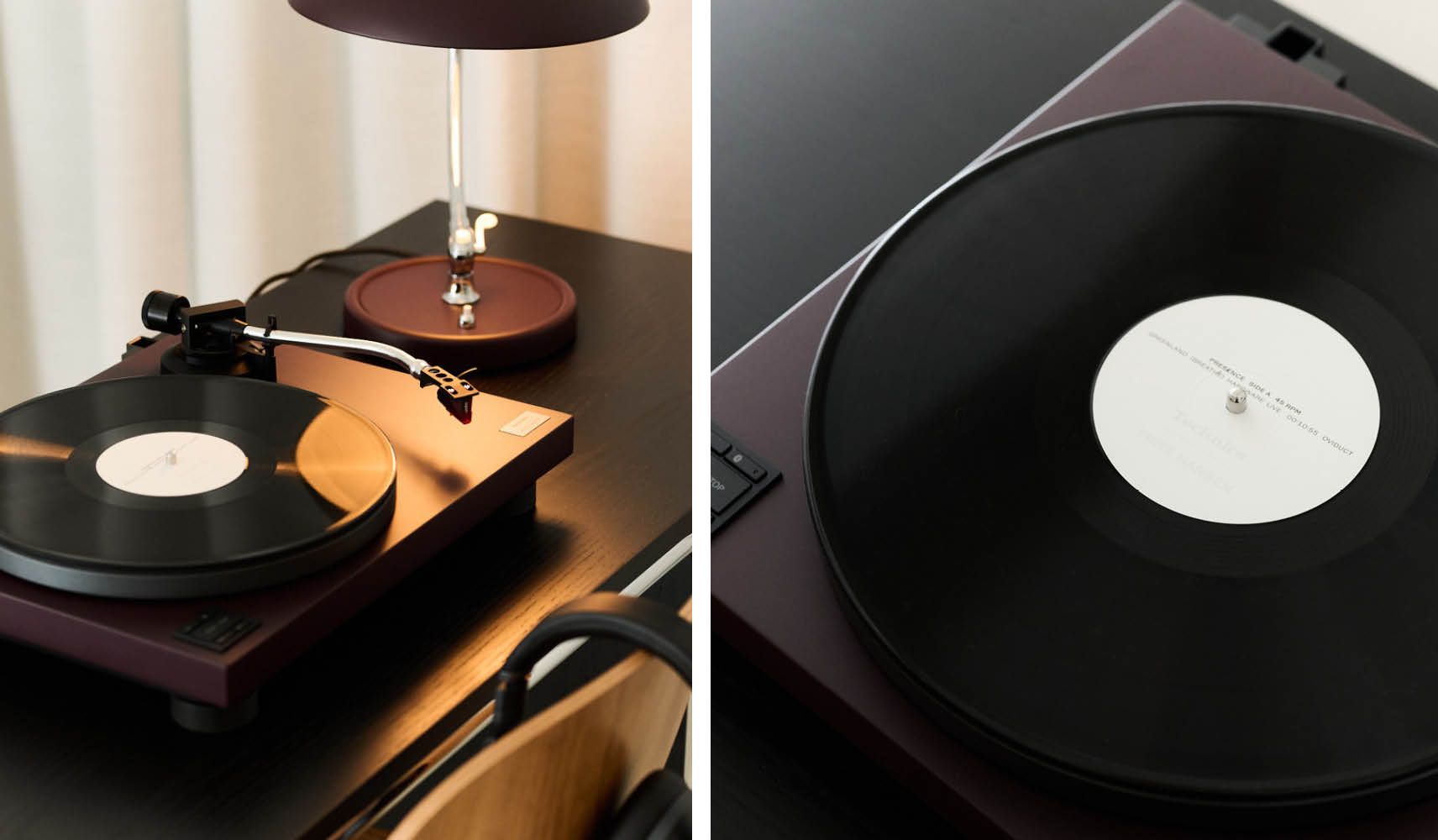
This renewed appreciation for listening is also reshaping our physical spaces too. Listening bars, (venues built around high-fidelity sound systems with carefully curated music) have moved from niche audiophile culture into the mainstream. Venues such as Brilliant Corners in London and Tokyo Record Bar in New York are placing intentional listening at the centre of the hospitality experience.
This shift is also becoming visible across the design world. At leading events such as 3daysofdesign in Copenhagen, high-fidelity listening experiences, beautifully crafted speakers and audio products have become a defining part of the programme, as shown by Danish furniture brand Fritz Hansen’s collaboration with Japanese audio brand Technics for their immersive “Sound Club” installation.
3. Technology is Learning to Listen
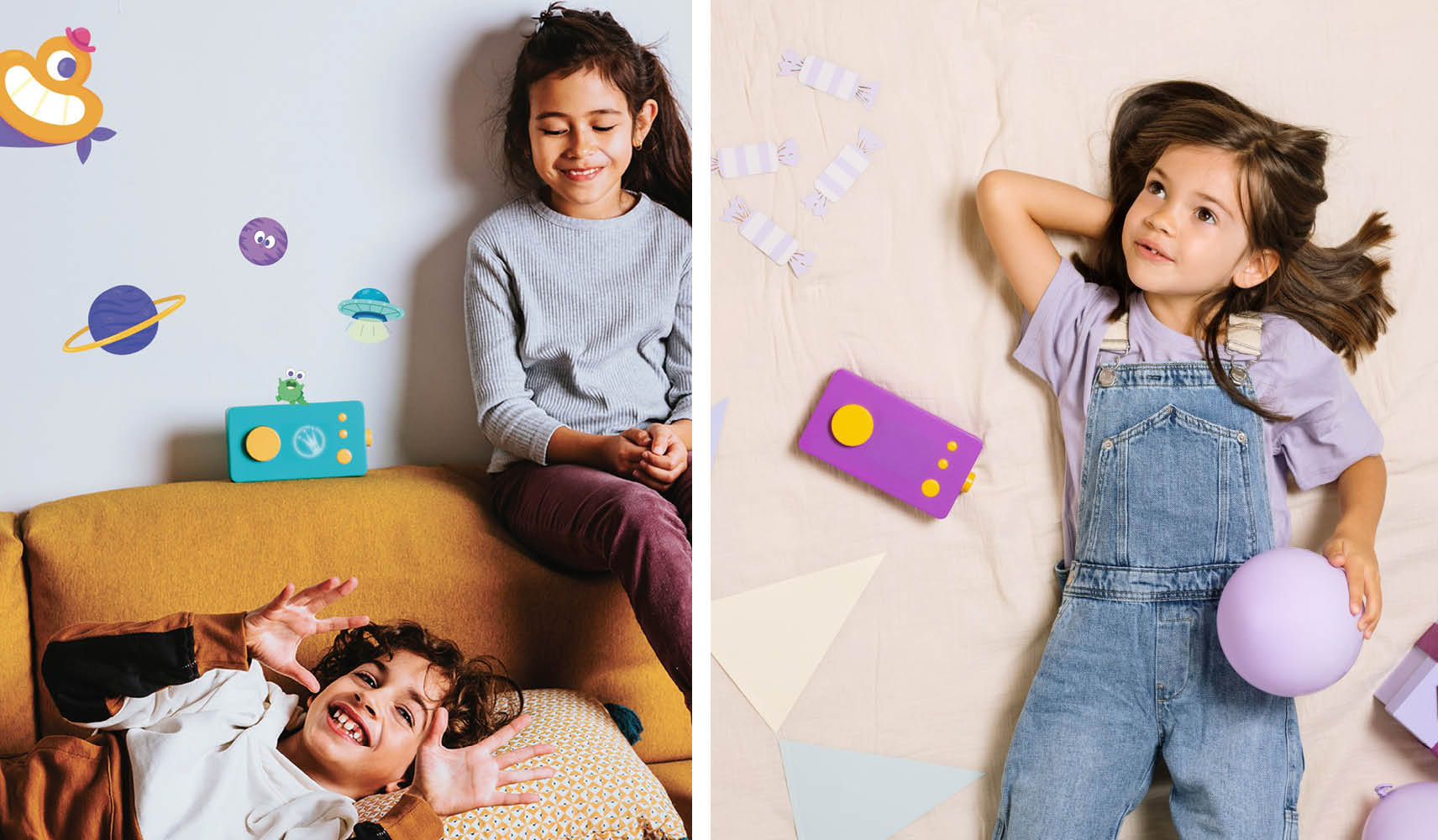
Listening is beginning to influence the products we choose, too. Innovation was previously focused on bigger screens and more visual engagement. Now, a new generation of technology is moving in the opposite direction.
Screen-free products such as Lunii are helping children engage with stories through imagination rather than displays, while voice-first devices and ambient AI point towards a future where technology becomes less visible altogether.
What does this mean for brands?
- In our The Digital Middle: The Big Picture 2028 report, we explored the importance of screen-free spaces, analogue zones and intentionally low-tech moments. From single use to tech-only spaces, what kind of products can you design to encourage these areas of privacy within the home?
- Our Home Electronics and Appliance Design: 2028 report details how brands can think beyond visual storytelling. Sonic identities, audio-first experiences, voice-led services and environments designed around sound all offer new ways to create meaningful connections in an increasingly screen-saturated world.
- As explored in our Sensorial Living – Designing For Feeling: 2027 report, centre under-utilised senses to enhance home experiences. How can you embed scent or sound within the home? Engaging all householder senses will allow for a deeper, emotional connection.
Stay tuned for part three!
Follow our Reclaiming Culture series as we explore how consumers are rediscovering reading, listening and crafting to build more intentional relationships with culture.