Reclaiming Culture: Making as Meaning

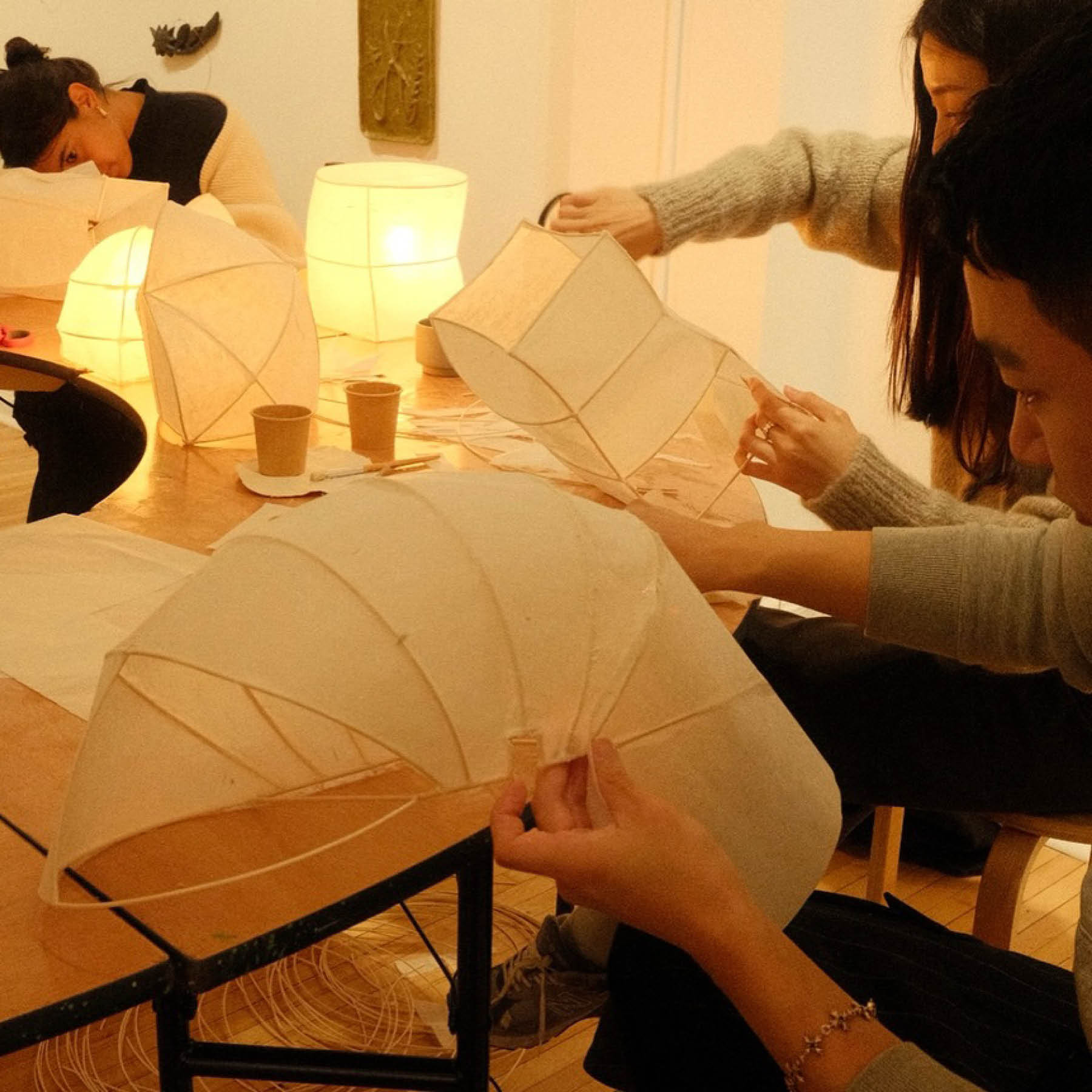 Como Demo
 In this three-part series, our trend experts explore how consumers are reclaiming culture through reading, listening and crafting.
Reclaiming Culture Series: Three Ways Consumers Are Taking Back Their Attention
For more than a decade, algorithms have shaped the way we discover and engage with culture, turning personalisation into the default through curated feeds and playlists. As platforms have become increasingly optimised around engagement, the promise of endless discovery has resulted in a more predictable, homogenised cultural landscape.
Now, a shift is emerging. As audiences grow more conscious of how their attention is being captured, they are seeking more intentional and participatory ways to engage with culture. Activities that offer depth, discovery and opportunities for self-expression are gaining renewed relevance, providing an alternative to scrolling.
In this three-part series we look at the ways consumers are reclaiming culture — through reading, listening and making.
Part Two: Why it’s Time to Start Listening
Part Three: Making as Meaning
As AI accelerates the production of content, images and objects, the value of human effort is being reassessed. In a culture optimised for convenience, crafting offers something different: a slow, hands-on practice that demands attention and leaves something tangible behind.
Consumers are embracing it. Mintel’s 2026 US report finds that 73% of US adults took part in a crafting project in the past year, while in the UK, 8.8 million adults now use creative activities to support their mental wellbeing [Hobbycraft x Mind, 2025].
Its appeal goes beyond nostalgia or escapism. Crafting provides a space to make without an algorithm deciding what comes next, and without the pressure to produce something perfect. As technology makes creation faster and easier, the act of making is becoming as valuable as the result, if not more so.
Crafting as Connection
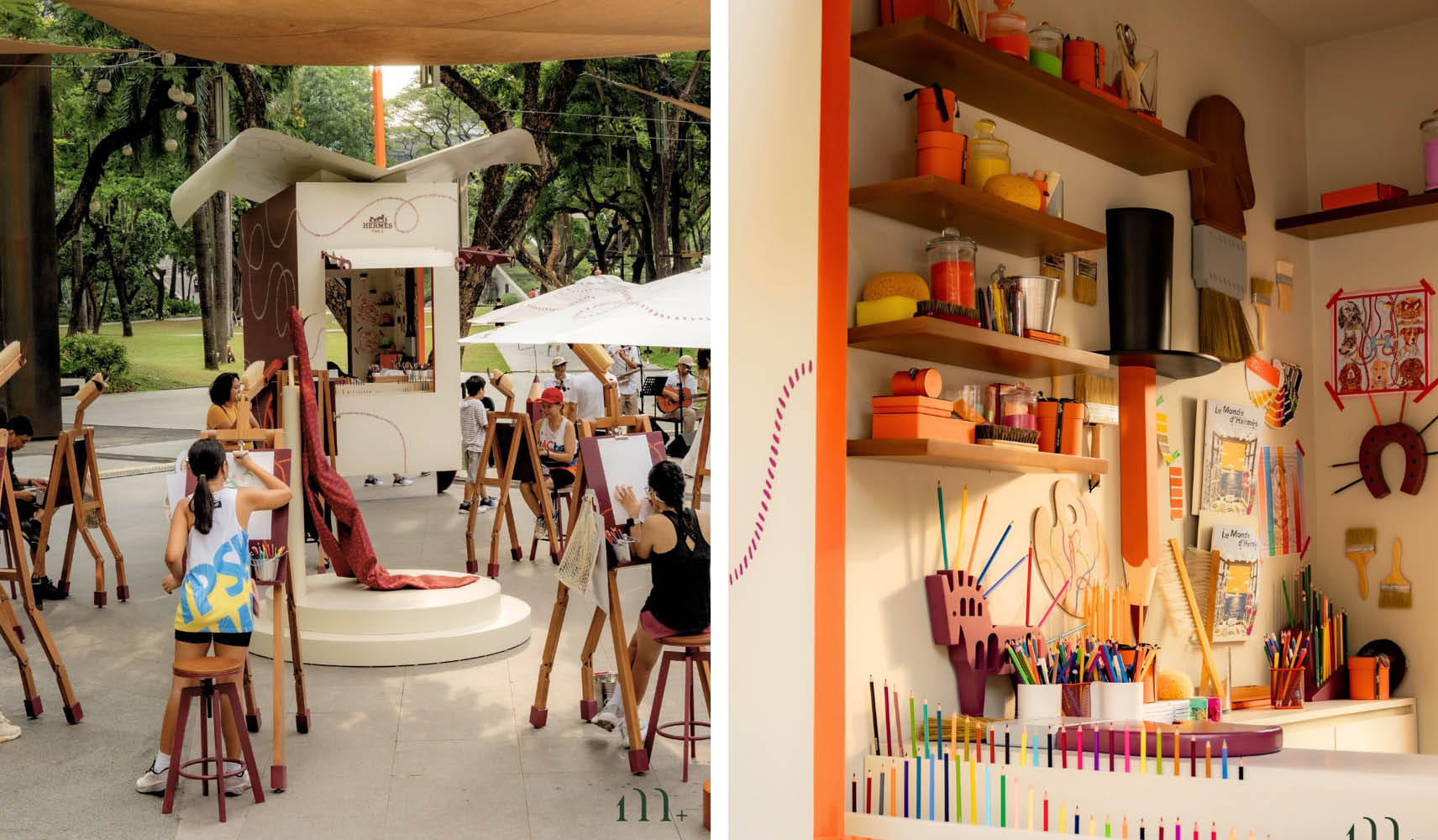
With 40% of Gen Z considering loneliness a personal risk over the next five years (Foresight Factory), consumers are seeking new, lower-pressure ways to socialise. Craft clubs, art bars and maker meet-ups are turning creative practice into a reason to gather, offering an alternative to those centred on drinking or spending.
Art cafés such as New York’s Happy Medium have made creativity the main event, and luxury brands are following suit: Hermès’ touring Drawn to Craft events invite the public to put pencil to paper alongside artists and artisans.
These experiences combine skill-building with belonging, positioning craft as social infrastructure rather than a solitary hobby.
Handmade as a Response to Sameness
Algorithmic recommendations are contributing to an increasingly homogenised culture, where the same books, sounds and images circulate across our feeds. In response, handmade is becoming a marker of individuality and personal taste.
Etsy’s Spring/Summer 2026 report links the rise of crochet and embroidery to Gen Z pushing back against fast fashion and “AI sameness”. Pinterest’s 2026 Hobbies report records a similar shift, with searches for “thrift flip ideas” up 610% and “repair aesthetic” up 167%.
Polish isn’t the goal. Visible mistakes, unfinished edges and evidence of the maker’s hand are being embraced as proof of process. With two in three Americans wanting humans, rather than AI, to create marketing and art content (Ipsos, 2025), imperfection is becoming a signal of authenticity.
The Appeal of the Analogue
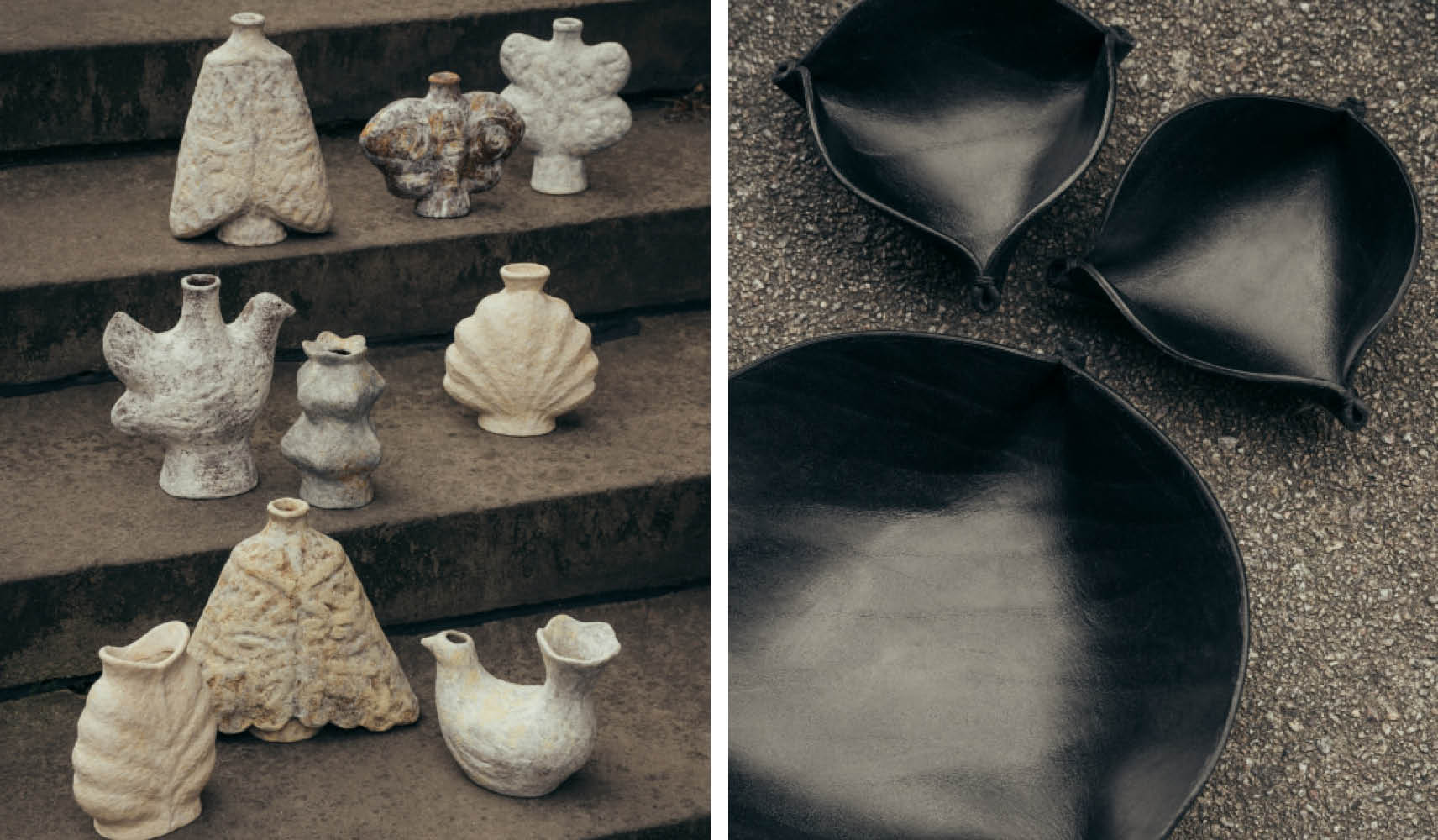
As consumers reassess their relationship with technology, low-screen hobbies are gaining traction. 80% of UK consumers who participate in arts and crafts say it helps them reduce screen time (Mintel, 2026). Activities such as journalling, scrapbooking and ceramics engage touch, texture and repetition, creating periods of focused, sensory engagement.
Cultural institutions are responding to this appetite for physical engagement. In Scotland, Bard’s exhibition By Hands For Hands foregoes the usual “do not touch” rule, inviting visitors to handle the work of 22 makers.
The appeal is not simply that crafting is screen-free; it is the physical effort it demands. In asking us to slow down, be present and use our hands, craft offers a counterpoint to increasingly seamless digital experiences.
What does this mean for the future of life at home?
- Homes Built for Making
In The Big Picture 2028, we forecast the home office space giving way to adult playrooms, library nooks and hobby zones designed around single-tasking and deep interests. As home-based hobby groups emerge as social hubs, consider how products can support spaces designed for doing, not just displaying. Think: durable work surfaces, accessible storage and furniture that flexes between making and gathering. - Process Over Perfection
As explored in Embrace The Process – The Quest for Authenticity: 2027, clutter is being reframed as evidence of life unfolding, while the show-home ideal loses its grip. Hand-built ceramics, naïve hand-drawn patterns and work-in-progress aesthetics will resonate. How can your brand invite co-creation or reveal the making behind its products? - Effort by Design
Our report The Digital Middle: The Big Picture 2028 identified intentional friction as a key differentiator, with human touch emerging as a marker of luxury in an age of automation. As householders opt out of convenience culture, effort becomes a feature rather than a flaw: tactile controls, manual rituals and products that invite participation rather than doing everything for us. Where could your products ask a little more of the user, and give more back?
From reading to listening to making, this series has explored a growing desire to participate in culture rather than simply consume it. As technology makes more things faster and easier, the opportunity for brands is not necessarily to add more convenience, but to create products, spaces and experiences worth our attention.