Future in Focus: When does protecting children start holding them back?

 Hooligans Magazine
The line between protecting childhood and shrinking it is blurring. Many of the measures designed to keep children safe come from genuine care, but their effects are less clear-cut.
Tracking apps promise independence, yet constant visibility leaves children with less freedom to explore, take risks or build agency. Screen restrictions and social media bans aim to protect wellbeing, but what replaces them is often overlooked. AI promises to support learning and increase creativity, yet instant answers leave less room for boredom and self-initiated thought.
These questions now dominate headlines and policy discussions, where the debate too often asks people to pick a side: ban or allow. The focus falls on the measure itself, while what children lose in the process becomes a secondary thought. Without a more nuanced view, efforts to keep children safe risk stripping them of the skills they need now and in the future.
This blog explores the tensions within these debates, and the opportunity areas where brands and designers can meet children’s needs.
Care vs Oversight
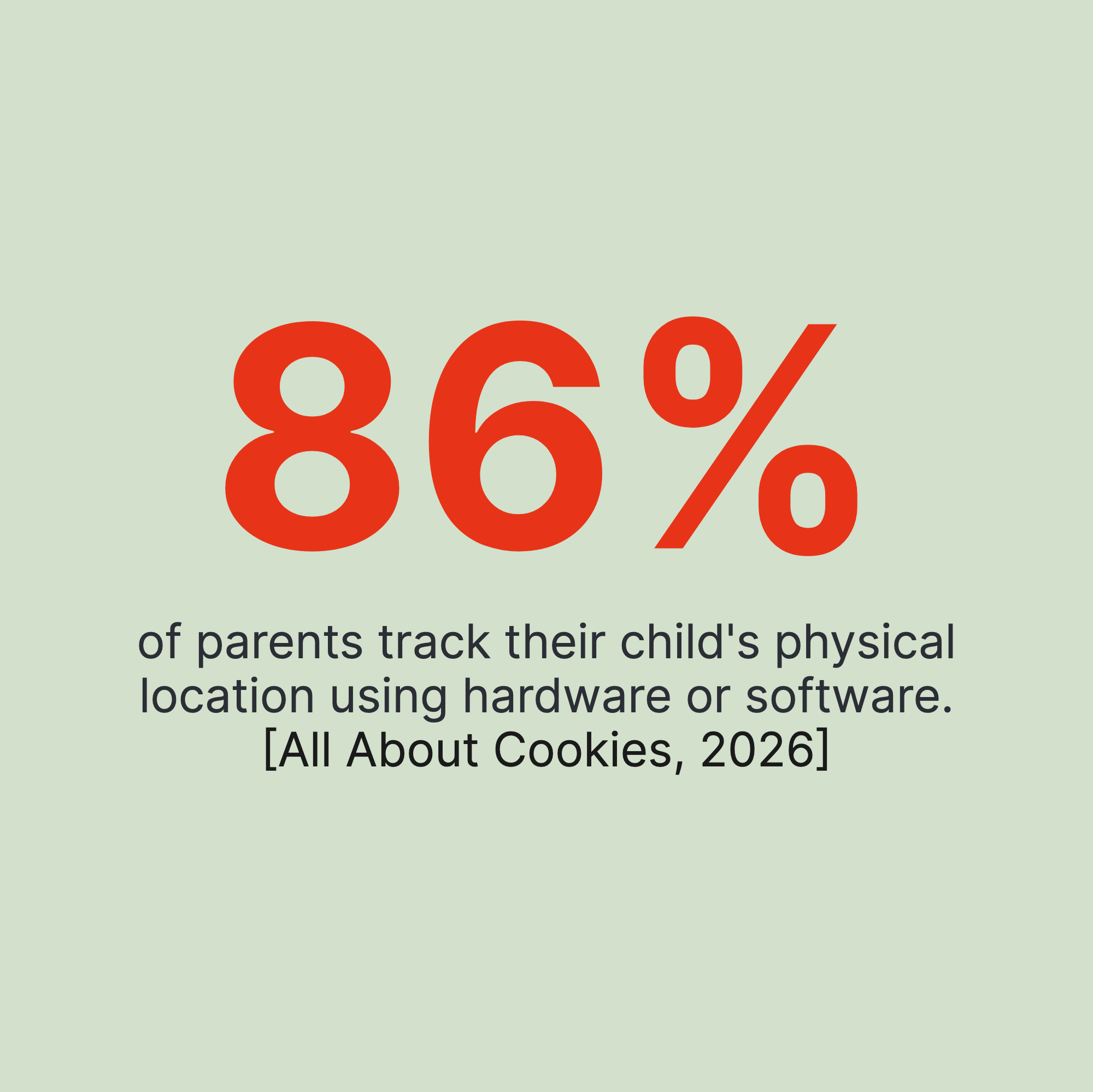
Tracking is now a normal part of childhood. Location apps and monitoring tools frame constant visibility as care and safety. Many promise to enable independence, yet critics increasingly argue they do the opposite, increasing anxiety and dependency.
Psychologists and child health experts are leading a countermovement that challenges continuous monitoring as the default. Their concern is that oversight replaces trust, undermining the autonomy and resilience children build through independence.
Safety vs Resilience

Fear of harm is reshaping how children play. Unsupervised time outdoors is shrinking, and many parents step in before children have the chance to fail. Play spaces reflect the same caution, with equipment that is often predictable and static, offering little challenge or variety.
This approach aims to prevent harm, yet child development experts consistently link risky play, such as climbing, exploring and testing limits, to confidence, judgement and resilience. When every risk is removed, children lose the chance to learn how to manage it themselves.
Disconnection vs Access
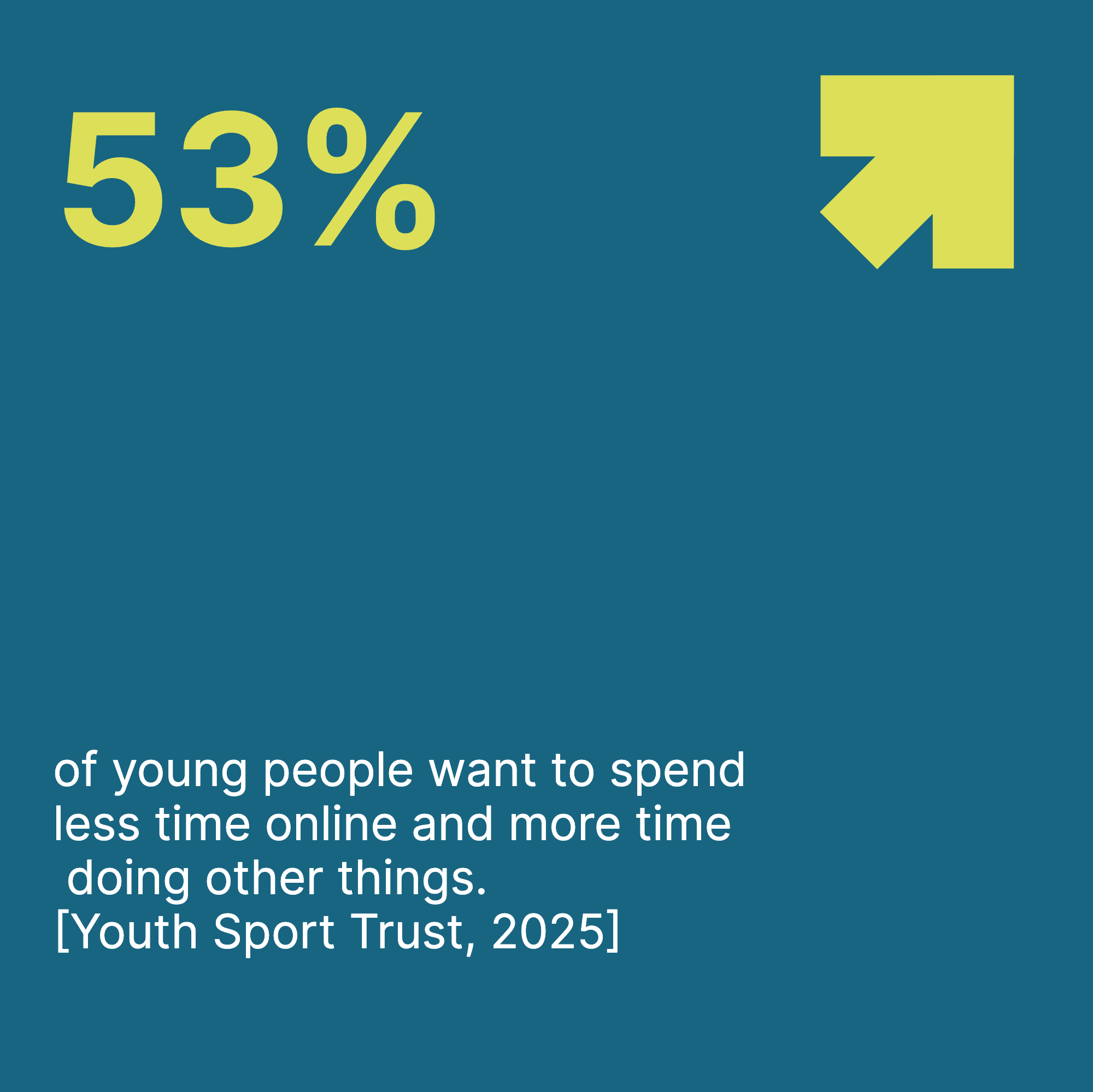
As concern about screens intensifies, a growing cultural movement is questioning the role technology plays in children’s lives. Removing screens aims to protect wellbeing, but it only works when something better takes their place.
The ability to disconnect is not equally available to all families. Access to safe outdoor spaces, community resources, extracurricular activities and places to play varies significantly across socioeconomic contexts. Without these alternatives, a screen-free childhood becomes a privilege for those with the time, money and infrastructure to support it.
Ease vs Effort
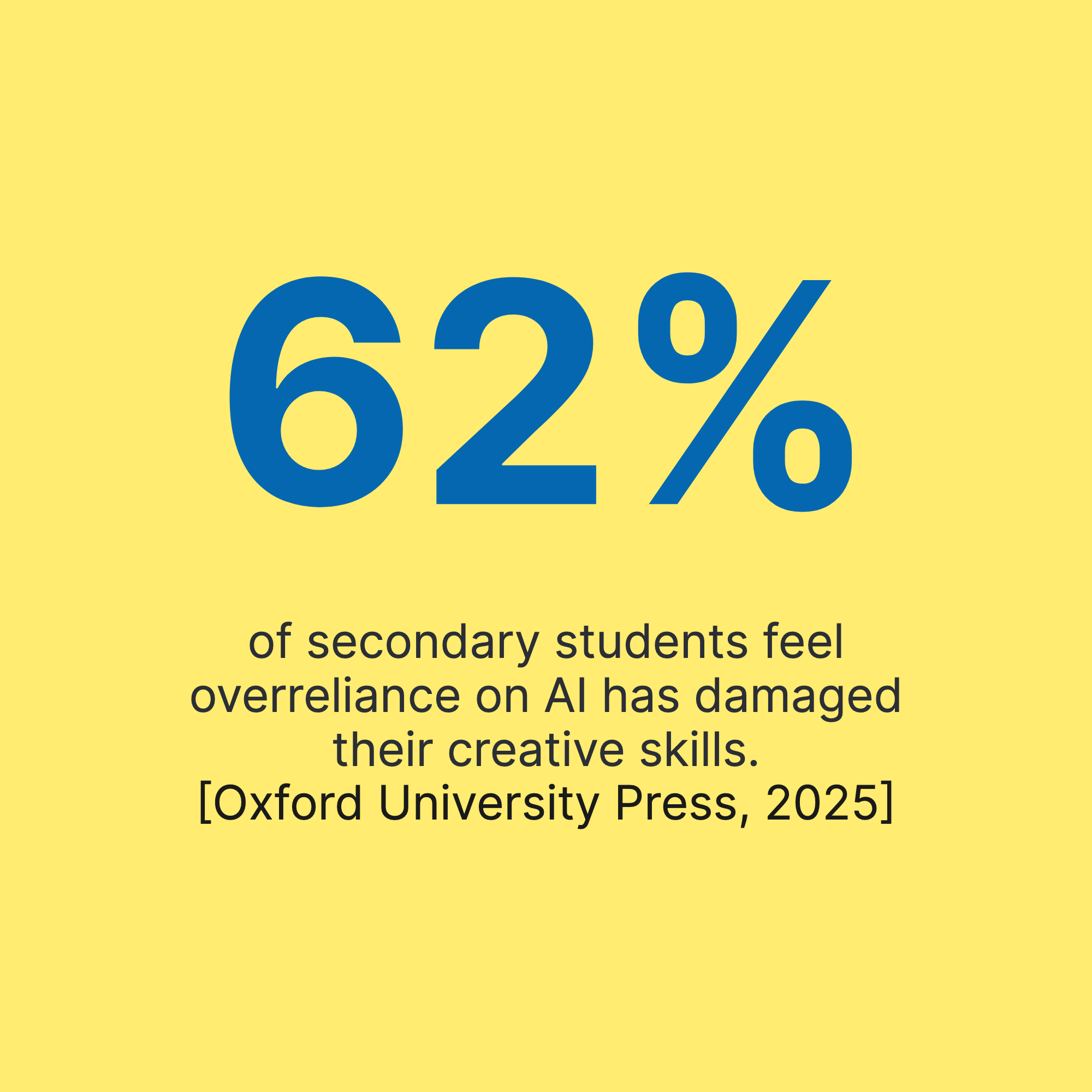
Much of the debate about AI asks whether it belongs in childhood at all. The more pressing question is which skills are at risk now it has arrived. Children are growing up in a culture that rewards speed and polished results, but childhood runs at a different pace. Young people develop by trying things, getting them wrong and working out what to do next. Unfinished ideas and moments of confusion build the resilience they need to think for themselves.
AI toys and learning tools smooth away much of this friction, yet friction is where imagination develops. When stories, ideas and answers arrive on demand, play becomes guided and scripted. Children have fewer chances to sit with boredom, invent their own worlds or work through problems alone.
What this means for brands and designers
Much of the conversation about childhood is led by adult fears. This year’s World Children’s Day, on 20th November, put children’s voices back at the centre. Its theme, “My day. My rights. My future.”, invites children to share their experiences and hopes, and asks adults to listen.
Brands have a role in carrying that call into the family home, cutting through the noise to focus on what children need: freedom to explore, space to imagine and room to take safe risks. The opportunity is to design products that reassure parents without shrinking childhood.
- Design for growing independence. Create furniture, spaces and tech that adapt as children mature, from bedroom zones they can personalise and close off to tools that hand over more control with age.
- Build safe risk into play. Move from restriction to exploration. Design products that let children climb, balance and test their limits without compromising on safety.
- Invest in community play. Partner with youth clubs, play programmes and local initiatives to create shared spaces where children can connect offline, reaching families who lack outdoor space or extracurricular options.
- Make imagination available to every child. The aim is not to reject technology but to balance it with offline play experiences that encourage children to handle uncertainty, sit with unfinished thinking, and embrace mess and mistakes. Seek out ways to develop and protect originality and imaginative thinking, before it is influenced by optimisation.
Explore the full research behind these insights on MyTrendBible.